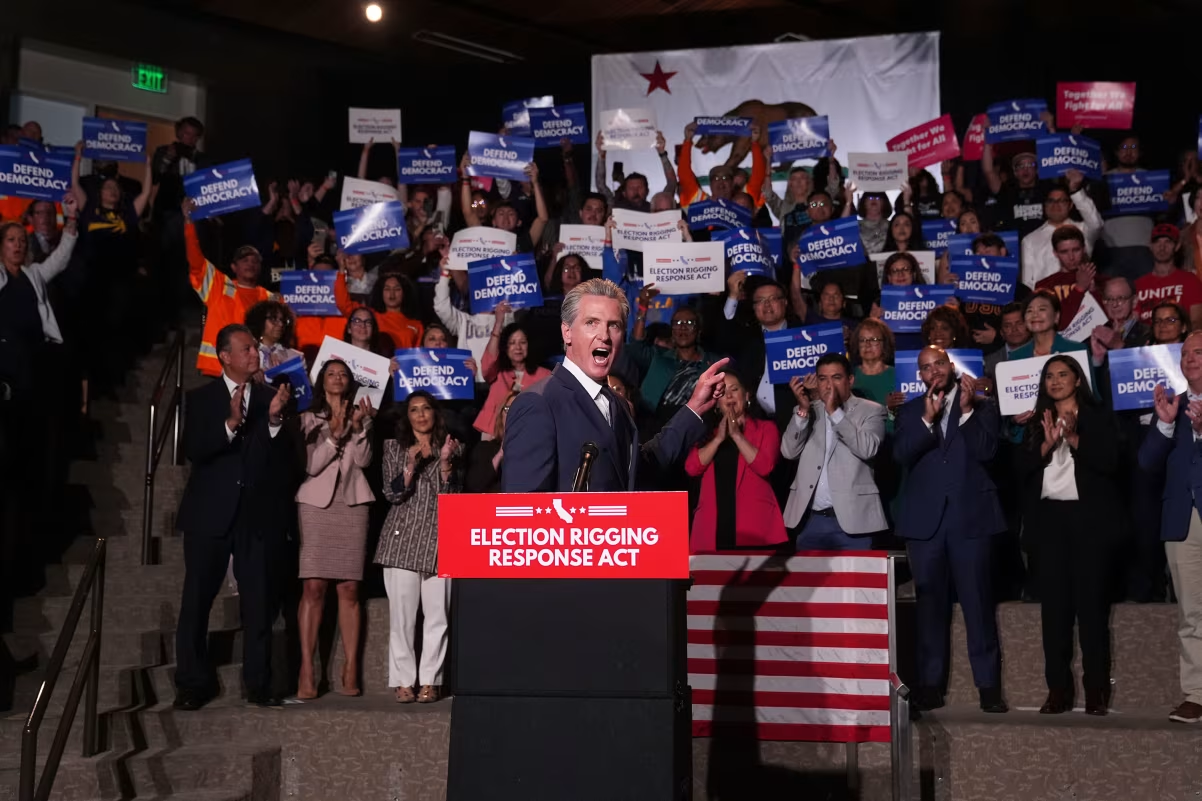
The Democrats go ‘Trump lite’ in latest plan to save democracy
Entities mentioned:
- Democrats: Power, Justice, Self-preservation
- Donald Trump: Power, Revenge, Self-preservation
- Gavin Newsom: Ambition, Competitive spirit, Power
- Barack Obama: Legacy, Influence, Duty
- Republican Party: Power, Control, Self-preservation
Article Assessment:
Credibility Score: 65/100
Bias Rating: 40/100 (Lean Left)
Sentiment Score: 35/100
Authoritarianism Risk: 55/100 (Mixed/Neutral)
Bias Analysis:
The article leans slightly left, focusing more on Democratic perspectives and strategies. While it does present some Republican viewpoints, the overall framing is more sympathetic to Democratic concerns about preserving democracy.
Key metric: Democratic Institutional Strength
As a social scientist, I analyze that this article highlights a significant shift in Democratic strategy in response to perceived threats to democratic institutions. The Democrats' adoption of more aggressive tactics, exemplified by Newsom's redistricting plan, indicates a departure from traditional approaches. This shift poses potential risks to democratic norms but is framed as a necessary response to Republican actions. The involvement of high-profile figures like Obama suggests a growing concern within the party about the effectiveness of conventional methods in preserving democratic institutions. This tactical evolution could have long-term implications for political norms and the stability of democratic processes in the US.

A week after Trump embraced Putin, the Ukraine peace effort is going nowhere
Entities mentioned:
- Donald Trump: Power, Recognition, Legacy
- Vladimir Putin: Control, Power, Influence
- Volodymyr Zelensky: Self-preservation, Loyalty, Duty
- Sergey Lavrov: Loyalty, Obstruction, Control
- Marco Rubio: Duty, Professional pride, Wariness
- Emmanuel Macron: Unity, Influence, Duty
- Steve Witkoff: Loyalty, Ambition, Influence
- Karoline Leavitt: Loyalty, Professional pride, Control
Article Assessment:
Credibility Score: 75/100
Bias Rating: 35/100 (Lean Left)
Sentiment Score: 35/100
Authoritarianism Risk: 25/100 (Generally Democratic)
Bias Analysis:
The article leans slightly left, criticizing Trump's approach while presenting a more sympathetic view of European allies and Ukraine. The language used is often skeptical of Trump's methods and motivations, though it does acknowledge some positive aspects of his efforts.
Key metric: International Diplomatic Influence
As a social scientist, I analyze that this article highlights the complex dynamics of international diplomacy and the challenges of brokering peace in the ongoing Russia-Ukraine conflict. Trump's efforts to negotiate peace are portrayed as naive and potentially counterproductive, with Putin seemingly outmaneuvering him diplomatically. The article suggests that Trump's desire for a quick resolution overlooks the deep-seated issues and strategic implications of the conflict. The piece also underscores the tensions between the U.S., Europe, and Russia, as well as the precarious position of Ukraine. The credibility of Trump's dealmaking abilities is questioned, which could impact the U.S.'s diplomatic influence on the global stage. The article implies that without a more nuanced and patient approach, coupled with a willingness to exert pressure on Russia, the peace process is unlikely to yield significant results, potentially diminishing America's role as a global mediator.

Who is John Bolton? What to know about Trump’s former national security adviser
Entities mentioned:
- John Bolton: Righteousness, Influence, Professional pride
- Donald Trump: Power, Control, Revenge
- FBI: Duty, Justice, Security
- Joe Biden: Ambition, Duty, Power
- George W. Bush: Power, Loyalty, Legacy
Article Assessment:
Credibility Score: 75/100
Bias Rating: 55/100 (Center)
Sentiment Score: 35/100
Authoritarianism Risk: 45/100 (Mixed/Neutral)
Bias Analysis:
The article presents a relatively balanced view of John Bolton's career and controversies, including criticism from both sides of the political spectrum. While it does highlight Trump's conflicts with Bolton, it also mentions Bolton's disagreements with Democrats, maintaining a centrist perspective.
Key metric: Political Polarization Index
As a social scientist, I analyze that this article highlights the complex interplay between political figures, institutions, and the justice system in the United States. The focus on John Bolton's career trajectory and his relationship with various administrations, particularly his tumultuous tenure under Trump, underscores the increasing polarization in American politics. The FBI's search of Bolton's property, allegedly related to his memoir, raises questions about the potential weaponization of government agencies against political opponents. This event could further erode public trust in institutions and exacerbate existing political divisions, potentially leading to an increase in the Political Polarization Index. The article also touches on broader themes of national security, foreign policy, and the delicate balance between transparency and classified information, all of which contribute to the overall political climate.
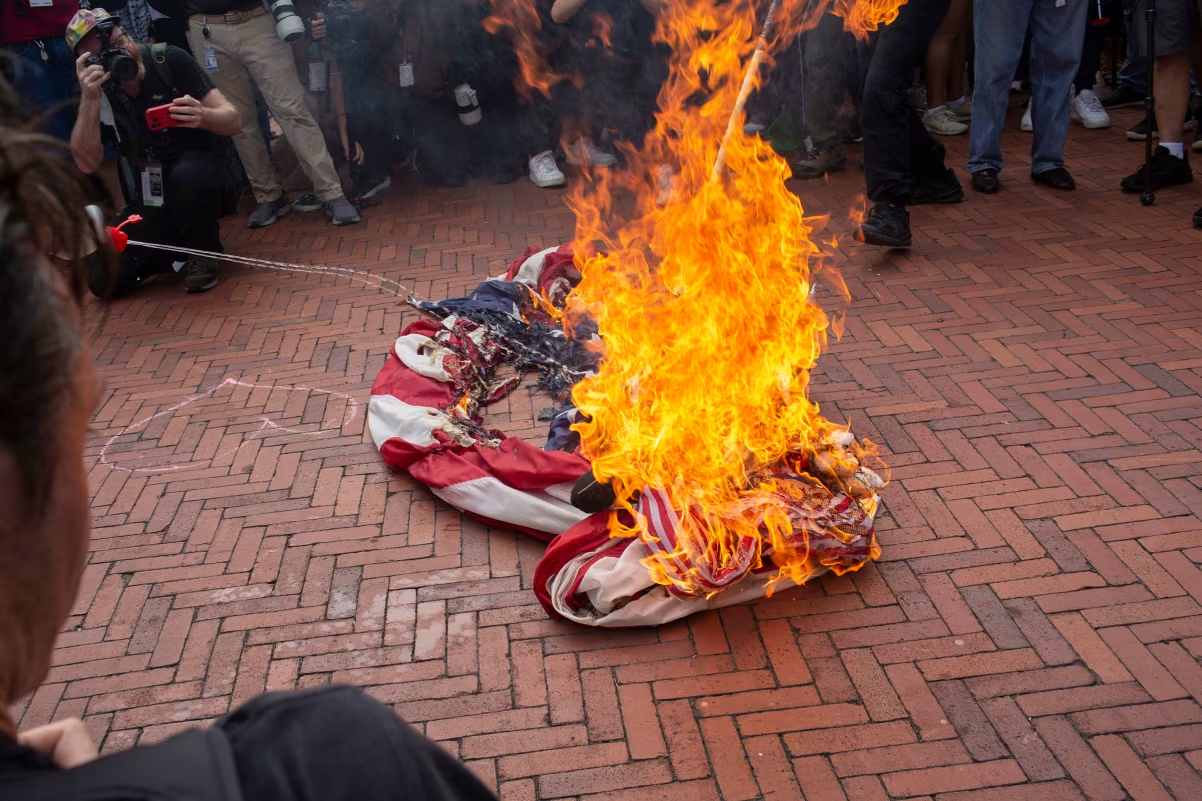
Donald Trump vs. Antonin Scalia on burning the American flag
Entities mentioned:
- Donald Trump: Control, Patriotism, Legacy
- Antonin Scalia: Justice, Duty, Professional pride
- Supreme Court: Justice, Duty, Freedom
- Gregory Lee Johnson: Moral outrage, Freedom, Influence
- Mitch McConnell: Freedom, Duty, Professional pride
- John Thune: Patriotism, Control, Influence
Article Assessment:
Credibility Score: 85/100
Bias Rating: 55/100 (Center)
Sentiment Score: 45/100
Authoritarianism Risk: 35/100 (Generally Democratic)
Bias Analysis:
The article presents multiple viewpoints and historical context, showing a relatively balanced approach. While it gives slightly more space to arguments supporting free speech, it also includes opposing views and poll data, maintaining overall centrism.
Key metric: First Amendment Protections
As a social scientist, I analyze that this article highlights the ongoing tension between free speech protections and patriotic symbolism in the United States. The debate over flag burning as protected speech reveals deep divisions in how Americans interpret the First Amendment and national identity. Trump's executive order attempts to circumvent established Supreme Court precedent, potentially challenging the balance of powers. This issue intersects with broader discussions on civil liberties, nationalism, and the limits of free expression in a polarized political climate. The varying opinions of political leaders and justices over time demonstrate the complexity of reconciling constitutional rights with popular sentiment and changing social norms.
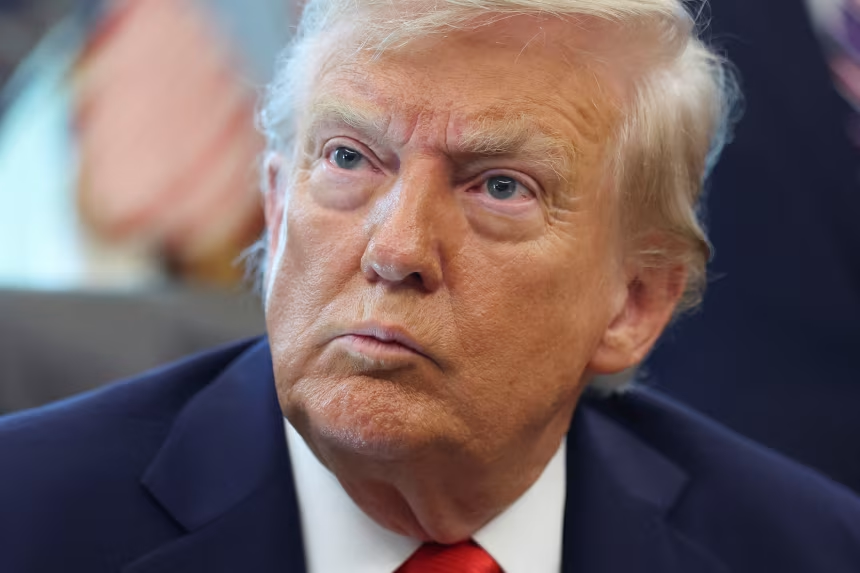
Trump’s tortured history of legally targeting his foes
Entities mentioned:
- Donald Trump: Revenge, Power, Control
- John Bolton: Loyalty, Professional pride, Self-preservation
- Chris Christie: Ambition, Competitive spirit, Self-preservation
- Greg Gutfeld: Loyalty, Righteousness, Indignation
- Kilmar Abrego Garcia: Self-preservation, Freedom, Justice
- Joe Biden: Self-preservation, Legacy, Duty
- Hunter Biden: Self-preservation, Recognition, Ambition
- John Durham: Professional pride, Duty, Justice
- William Barr: Loyalty, Power, Influence
Article Assessment:
Credibility Score: 75/100
Bias Rating: 40/100 (Lean Left)
Sentiment Score: 35/100
Authoritarianism Risk: 65/100 (Authoritarian Tendencies)
Bias Analysis:
The article leans slightly left, evidenced by its critical tone towards Trump and more sympathetic portrayal of his opponents. However, it does provide factual information and context, balancing its perspective somewhat.
Key metric: Rule of Law Index
As a social scientist, I analyze that this article highlights a concerning trend of potential weaponization of the justice system for political purposes. The contrast between the success rates of prosecutions against Trump and his allies versus Trump's allegations against his opponents suggests a pattern of using legal threats as a political tool without substantial evidence. This behavior risks eroding public trust in the justice system and could negatively impact the Rule of Law Index, which measures the extent to which a country adheres to the rule of law in practice. The article suggests that Trump's administration may be using investigations to intimidate critics rather than pursue legitimate justice, which could lead to a decline in the perception of government accountability and fair application of the law.
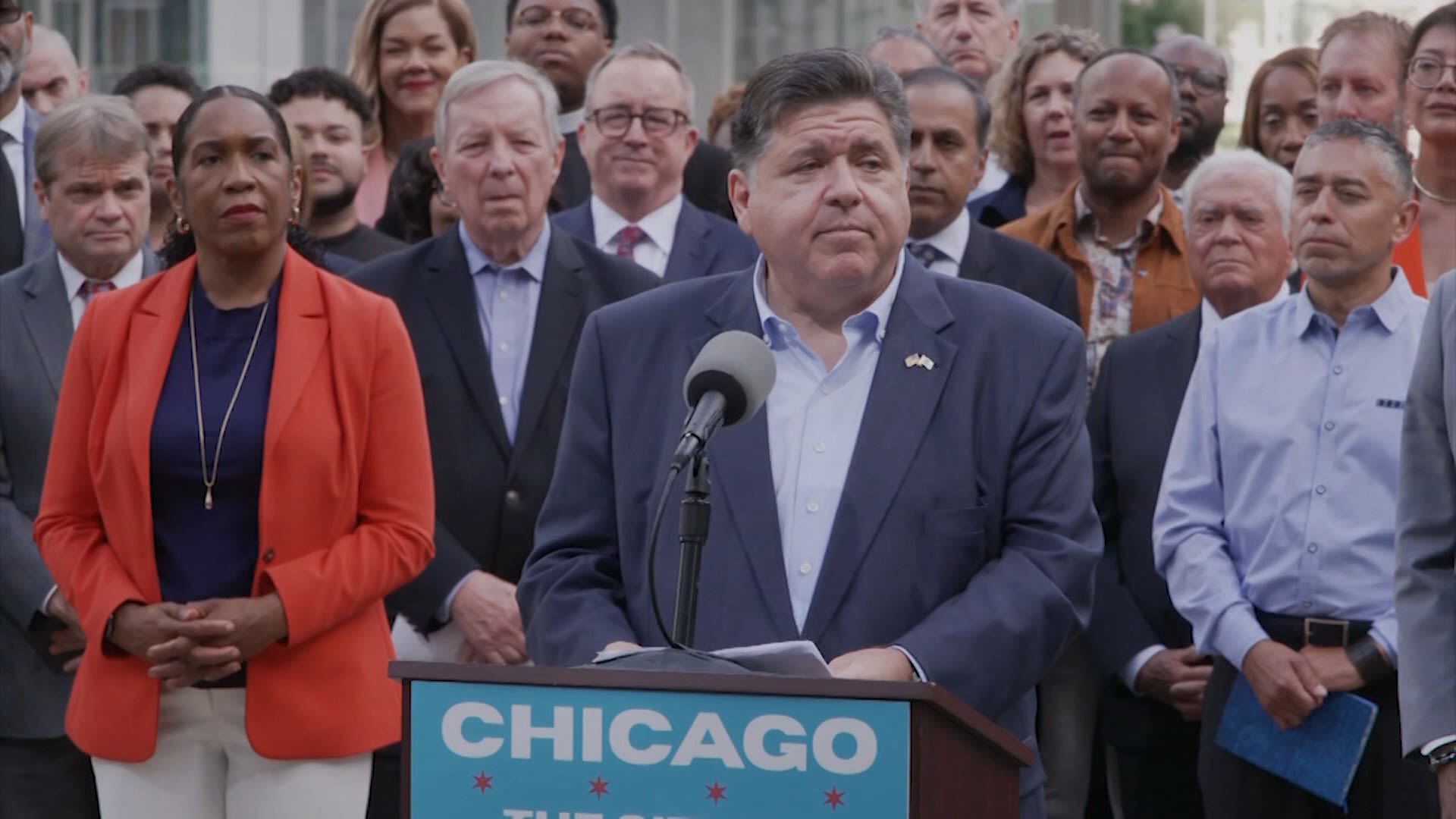
Pritzker tells Trump to stay out of Chicago: ‘You are neither wanted here nor needed here’
Entities mentioned:
- JB Pritzker: Righteousness, Moral outrage, Duty
- Donald Trump: Power, Control, Influence
- Brandon Johnson: Unity, Duty, Security
- Pete Hegseth: Duty, Loyalty, Control
Article Assessment:
Credibility Score: 75/100
Bias Rating: 40/100 (Lean Left)
Sentiment Score: 25/100
Authoritarianism Risk: 65/100 (Authoritarian Tendencies)
Bias Analysis:
The article leans slightly left, giving more prominence to Governor Pritzker's perspective and criticisms of the Trump administration. While it includes some information on the administration's plans, it primarily frames the issue through the lens of opposition to federal intervention.
Key metric: Civil Liberties and Rule of Law
As a social scientist, I analyze that this article highlights a significant conflict between state and federal authorities over the use of federal forces in American cities. The dispute centers on the balance of power between different levels of government and raises concerns about potential threats to civil liberties and democratic norms. Governor Pritzker's strong opposition to federal intervention without local consent reflects deep concerns about the erosion of local autonomy and the potential for federal overreach. This conflict has implications for the separation of powers, federalism, and the role of military forces in domestic affairs, all of which are crucial elements of the American democratic system.
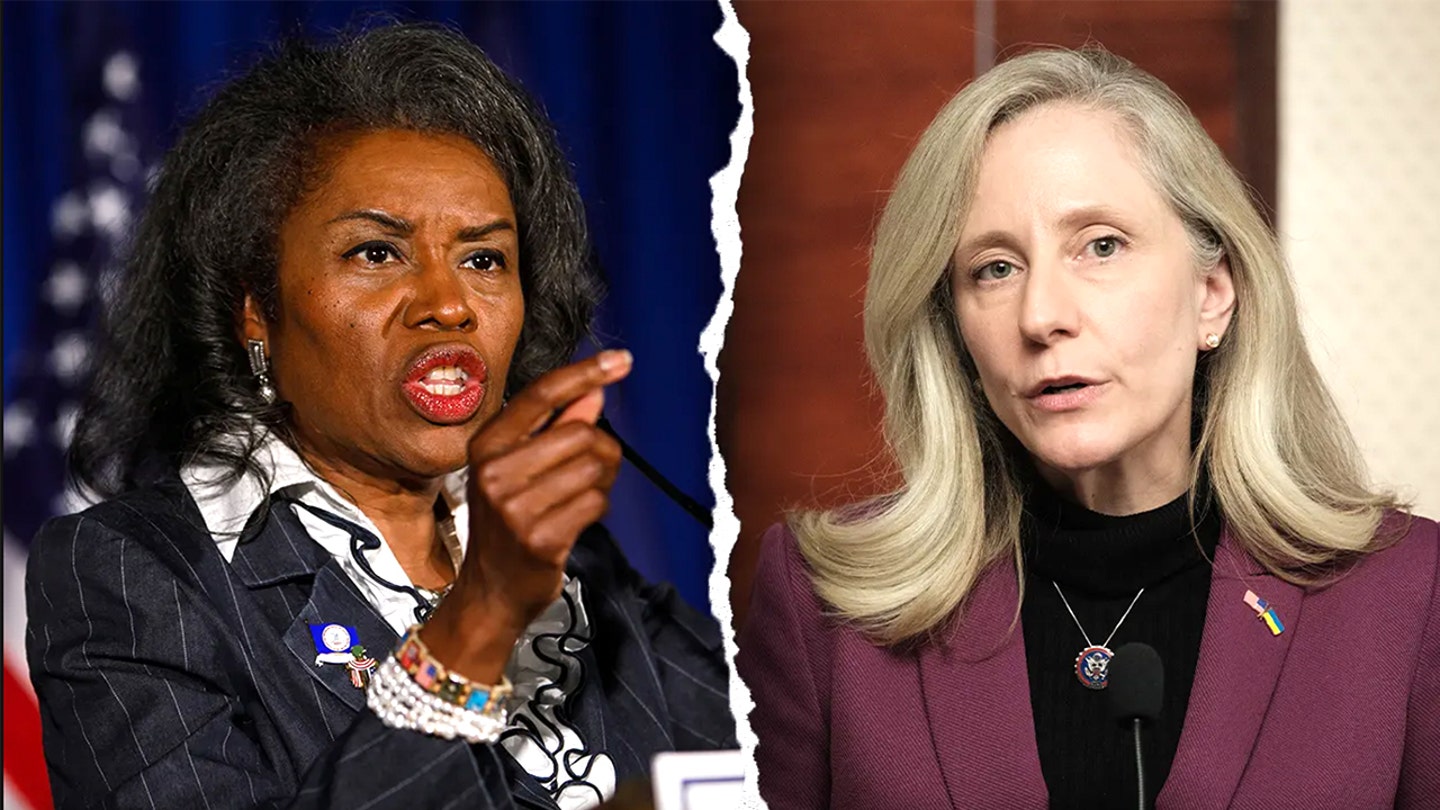
Political activist CJ Pearson says White liberals are starting to fear they're losing 'power' over Blacks
Entities mentioned:
- CJ Pearson: Righteousness, Moral outrage, Influence
- White liberals: Power, Control, Fear
- Winsome Earle-Sears: Determination, Duty, Self-respect
- Abigail Spanberger: Ambition, Self-preservation, Obligation
- Republican Party: Competitive spirit, Power, Influence
- Democratic Party: Power, Control, Self-preservation
Article Assessment:
Credibility Score: 65/100
Bias Rating: 70/100 (Lean Right)
Sentiment Score: 30/100
Authoritarianism Risk: 35/100 (Generally Democratic)
Bias Analysis:
The article leans right, primarily quoting conservative voices and framing liberal actions negatively. While it includes some opposing viewpoints, the overall narrative favors a conservative interpretation of events.
Key metric: Racial Political Alignment
As a social scientist, I analyze that this article highlights growing tensions in racial political alignment, particularly focusing on the perceived shift of Black voters away from the Democratic Party. The controversy surrounding the racist sign at a protest event serves as a focal point for discussing broader issues of race, politics, and voter loyalty. The article suggests a potential realignment of Black voters, which could significantly impact future elections and party strategies. The strong reactions from both conservative and liberal figures underscore the high stakes involved in maintaining or changing traditional voting blocs. This incident also reveals the complexities of intersectional politics, where race and gender identity issues collide in public discourse.
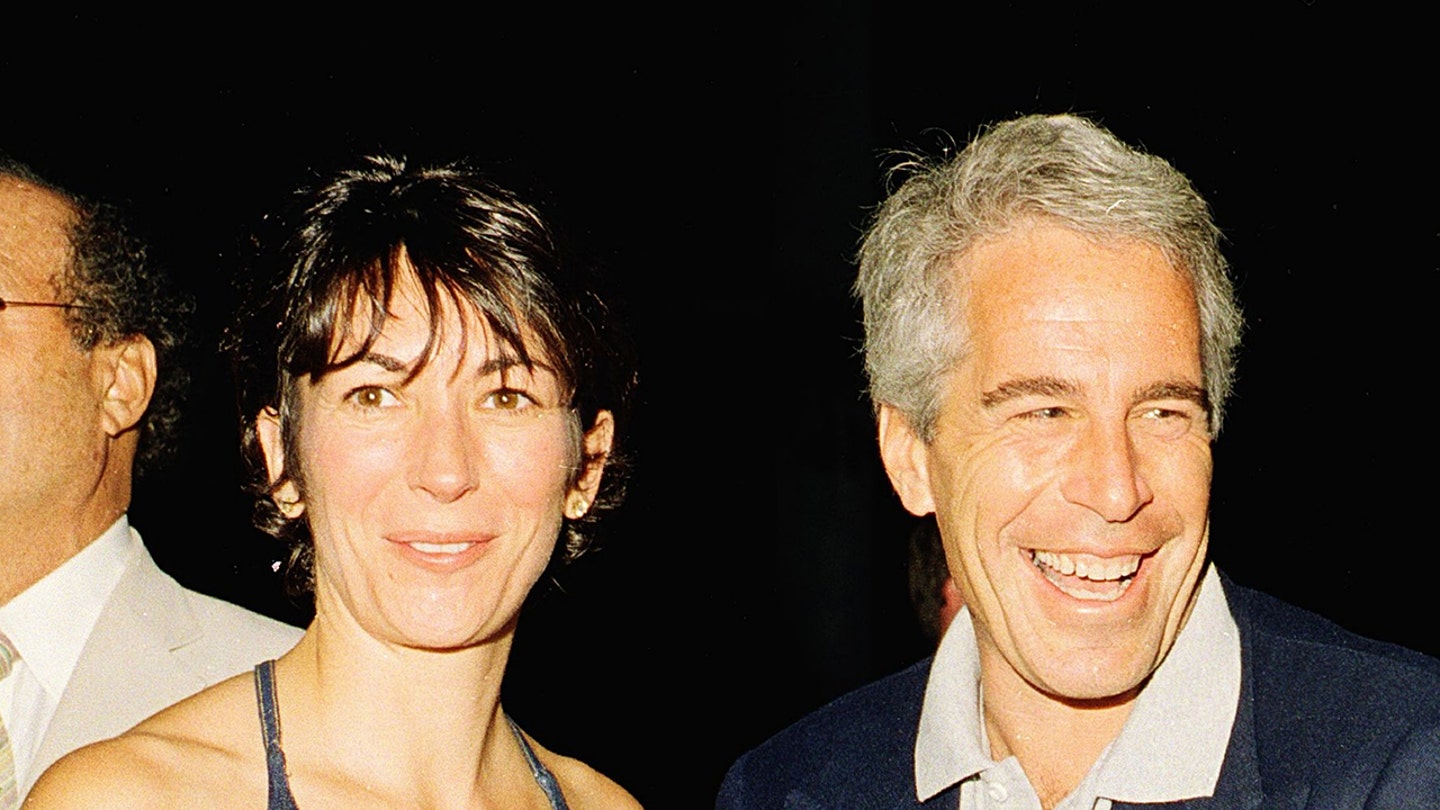
10 key takeaways from DOJ’s release of Ghislaine Maxwell's Epstein interviews
Entities mentioned:
- Ghislaine Maxwell: Self-preservation, Loyalty, Influence
- Jeffrey Epstein: Power, Control, Greed
- Department of Justice: Justice, Duty, Transparency
- Donald Trump: Power, Influence, Self-preservation
- Bill Clinton: Influence, Legacy, Self-preservation
- Prince Andrew: Self-preservation, Pride, Influence
- Virginia Giuffre: Justice, Recognition, Moral outrage
Article Assessment:
Credibility Score: 65/100
Bias Rating: 55/100 (Center)
Sentiment Score: 30/100
Authoritarianism Risk: 35/100 (Generally Democratic)
Bias Analysis:
The article presents multiple perspectives and quotes directly from the interviews, showing an attempt at balance. However, the selection of 'top takeaways' may reflect some editorial bias in highlighting certain aspects over others.
Key metric: Public Trust in Institutions
As a social scientist, I analyze that this article's release of Ghislaine Maxwell's interviews significantly impacts public trust in institutions. The revelations about high-profile individuals and alleged cover-ups may erode confidence in political, legal, and social elite circles. Maxwell's claims, while potentially self-serving, shed light on a complex network of relationships and activities that intersect with powerful institutions. This could lead to increased public skepticism and demands for accountability, potentially affecting how citizens view and interact with various governmental and social institutions.
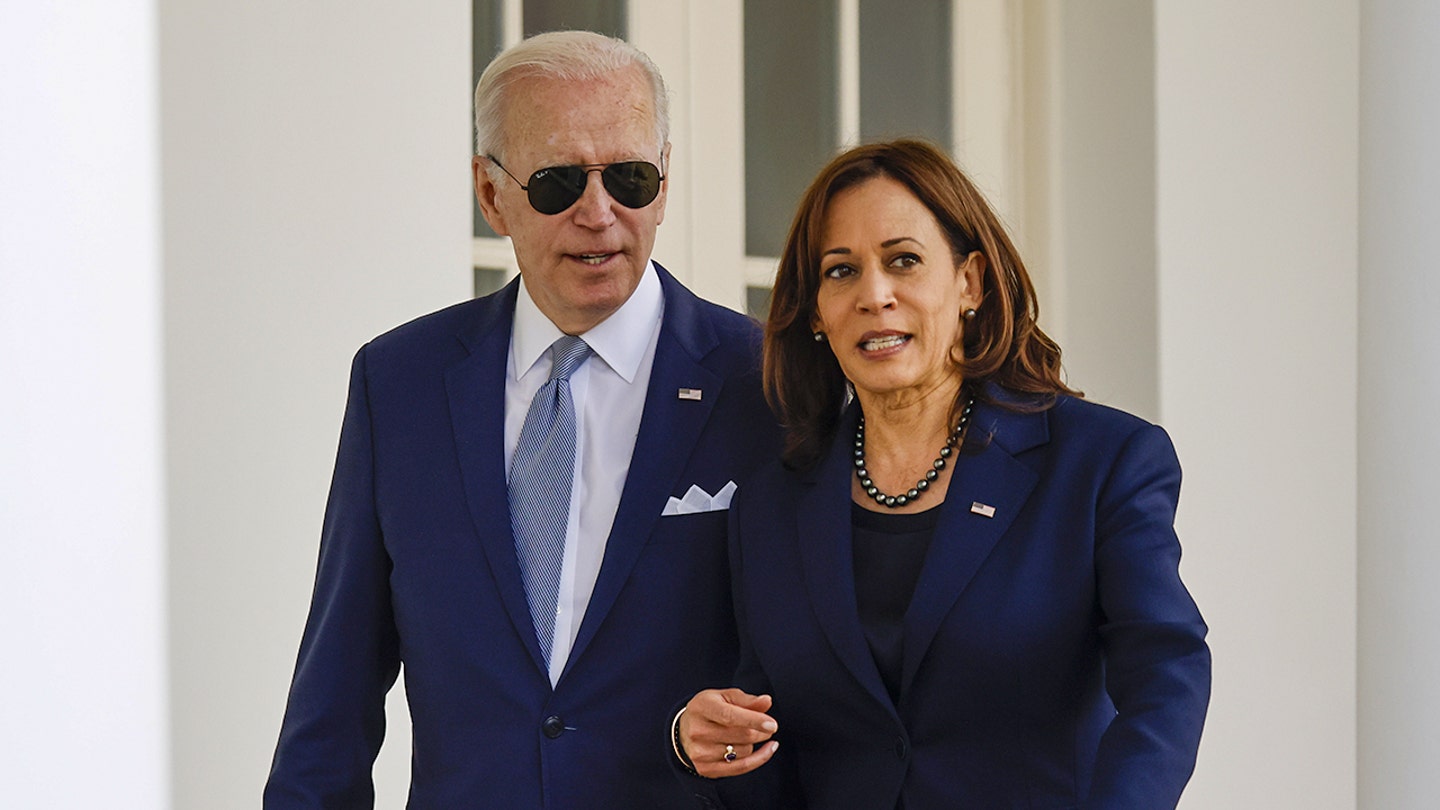
GOP senators push for Kamala Harris' testimony as House Oversight eyes subpoena
Entities mentioned:
- GOP senators: Accountability, Justice, Control
- Kamala Harris: Self-preservation, Loyalty, Duty
- House Oversight Committee: Accountability, Justice, Control
- Joe Biden: Self-preservation, Legacy, Power
- Roger Marshall: Professional pride, Righteousness, Influence
- James Comer: Accountability, Influence, Justice
- Richard Blumenthal: Loyalty, Duty, Self-preservation
- John Hoeven: Accountability, Duty, Influence
Article Assessment:
Credibility Score: 65/100
Bias Rating: 70/100 (Lean Right)
Sentiment Score: 30/100
Authoritarianism Risk: 45/100 (Mixed/Neutral)
Bias Analysis:
The article leans right due to its focus on Republican perspectives and allegations against the Biden administration. While it includes a brief Democratic counterpoint, the majority of the content amplifies GOP criticism and concerns.
Key metric: Political Polarization Index
As a social scientist, I analyze that this article highlights increasing political polarization in the U.S. The GOP's push for Harris' testimony and the focus on Biden's alleged cognitive decline demonstrate a partisan approach to oversight. This could potentially widen the divide between Democrats and Republicans, affecting public trust in institutions and inter-party cooperation. The emphasis on Biden's perceived weaknesses and their alleged impact on national security further intensifies the partisan narrative. This polarization could lead to decreased governmental effectiveness and increased public cynicism towards political processes.

Cracker Barrel CEO serves up leftover corporate branding to unhappy customers
Entities mentioned:
- Cracker Barrel Old Country Store: Ambition, Competitive spirit, Recognition
- Cracker Barrel CEO: Ambition, Professional pride, Influence
- Article Author: Expertise, Professional pride, Duty
Article Assessment:
Credibility Score: 65/100
Bias Rating: 55/100 (Center)
Sentiment Score: 35/100
Authoritarianism Risk: 20/100 (Strongly Democratic)
Bias Analysis:
The article presents a balanced view, incorporating both the company's perspective and customer reactions. However, the author's personal experience and expertise slightly skew the narrative towards criticism of the rebranding effort.
Key metric: Consumer Sentiment
As a social scientist, I analyze that this article highlights a significant shift in Cracker Barrel's branding strategy, which has resulted in negative customer feedback. The rebranding effort, including logo changes and interior renovations, appears to have alienated long-time loyal customers who valued the restaurant's nostalgic appeal. This situation exemplifies the risks associated with corporate rebranding when it fails to consider the emotional connection customers have with a brand's established identity. The author, positioning themselves as a customer loyalty expert, argues that prioritizing new customer acquisition over maintaining existing customer relationships can be detrimental to a company's success. This case study of Cracker Barrel's rebranding serves as a cautionary tale for other businesses, emphasizing the importance of preserving brand authenticity and valuing loyal customers in corporate strategy.