
How Texas’ redistricting effort is having major implications across the US
Entities mentioned:
- Texas Legislature: Power, Control, Competitive spirit
- Texas House Democrats: Justice, Self-preservation, Determination
- Gov. Greg Abbott: Power, Control, Ambition
- President Donald Trump: Power, Influence, Legacy
- Democratic Governors: Retaliation, Power, Competitive spirit
- Beto O'Rourke: Loyalty, Unity, Justice
Article Assessment:
Credibility Score: 75/100
Bias Rating: 55/100 (Center)
Sentiment Score: 35/100
Bias Analysis:
The article presents multiple perspectives, including those of Republicans and Democrats, and cites specific data points. However, there's slightly more emphasis on Democratic responses and potential consequences for Republicans, suggesting a slight center-left lean.
Key metric: Political Polarization Index
As a social scientist, I analyze that this redistricting effort in Texas is likely to significantly increase political polarization across the United States. The aggressive redrawing of congressional districts to favor one party over another undermines the principles of fair representation and exacerbates partisan tensions. The retaliatory actions being considered by Democratic governors in other states suggest a potential escalation of gerrymandering nationwide, which could further entrench political divisions and reduce the number of competitive districts. This situation may lead to more extreme candidates being elected, less bipartisan cooperation, and increased gridlock in Congress. The use of tactics such as lawmakers fleeing the state to prevent quorum also indicates a breakdown in normal legislative processes, potentially eroding public trust in democratic institutions.
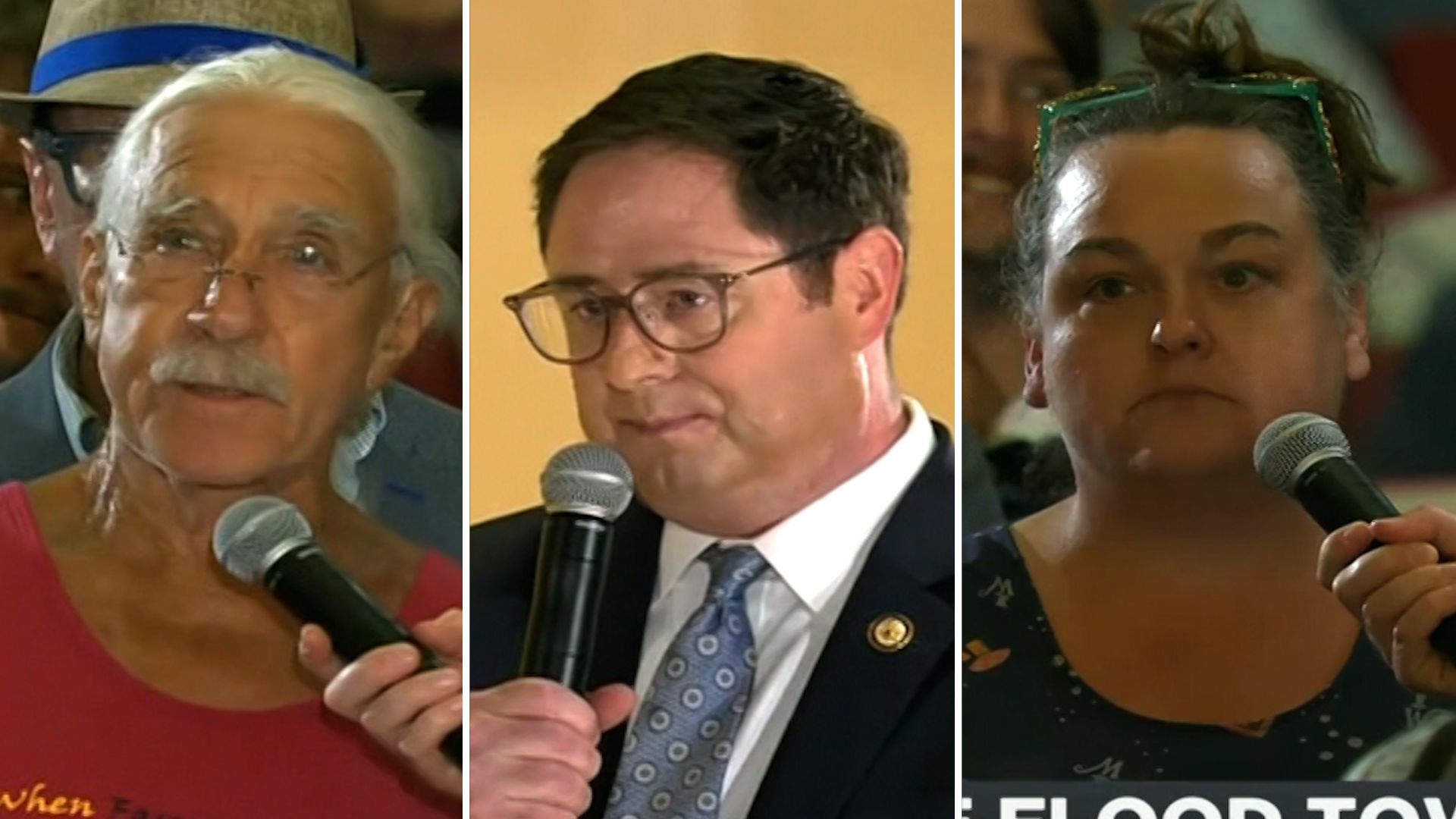
‘How much does it cost for fascism?’: Tensions erupt at Nebraska GOP congressman’s town hall
Entities mentioned:
- Rep. Mike Flood: Duty, Loyalty, Self-preservation
- President Donald Trump: Power, Control, Legacy
- National Republican Congressional Committee: Influence, Control, Unity
- Sen. Elissa Slotkin: Justice, Moral outrage, Duty
- Rep. Adam Smith: Duty, Self-preservation, Professional pride
Article Assessment:
Credibility Score: 75/100
Bias Rating: 45/100 (Center)
Sentiment Score: 35/100
Bias Analysis:
The article presents multiple viewpoints and includes perspectives from both Republican and Democratic politicians. While it gives more space to criticism of Republican policies, it also includes counterarguments and attempts to balance the narrative.
Key metric: Public Trust in Government
As a social scientist, I analyze that this article highlights the growing tension between elected officials and their constituents, particularly regarding controversial policies and perceived threats to democracy. The contentious town halls, especially Rep. Flood's, demonstrate a significant divide between Republican representatives supporting Trump's agenda and a vocal portion of their constituents. This disconnect, coupled with concerns over authoritarianism and government spending, suggests a potential decline in public trust in government. The article also touches on bipartisan concerns regarding presidential pardon powers, further indicating a broader issue of faith in governmental systems and checks and balances.

Laura Loomer has the White House scrambling again — and she’s far from finished
Entities mentioned:
- Laura Loomer: Influence, Loyalty, Power
- Donald Trump: Power, Loyalty, Control
- White House: Control, Self-preservation, Influence
- Vinay Prasad: Professional pride, Self-preservation, Duty
- Susie Wiles: Control, Duty, Self-preservation
- Robert F. Kennedy Jr.: Ambition, Influence, Power
Article Assessment:
Credibility Score: 70/100
Bias Rating: 55/100 (Center)
Sentiment Score: 30/100
Bias Analysis:
The article presents multiple viewpoints and includes direct quotes from various sources, including Loomer herself. However, there's a slight lean towards portraying Loomer's actions as disruptive, which may indicate a subtle centrist or slight left-of-center perspective.
Key metric: Government Stability and Effectiveness
As a social scientist, I analyze that this article highlights a significant disruption in the normal functioning of government institutions. Laura Loomer's unofficial yet influential role in personnel decisions undermines established vetting processes and introduces instability into key government positions. This can lead to decreased effectiveness of government agencies, potential policy inconsistencies, and a climate of fear among officials. The frequent turnover and loyalty-based appointments, rather than merit-based selections, may result in less qualified individuals in crucial roles, potentially impacting the quality of governance and policy implementation. Furthermore, the external influence on internal government affairs raises questions about the autonomy and integrity of administrative processes, which could erode public trust in government institutions.
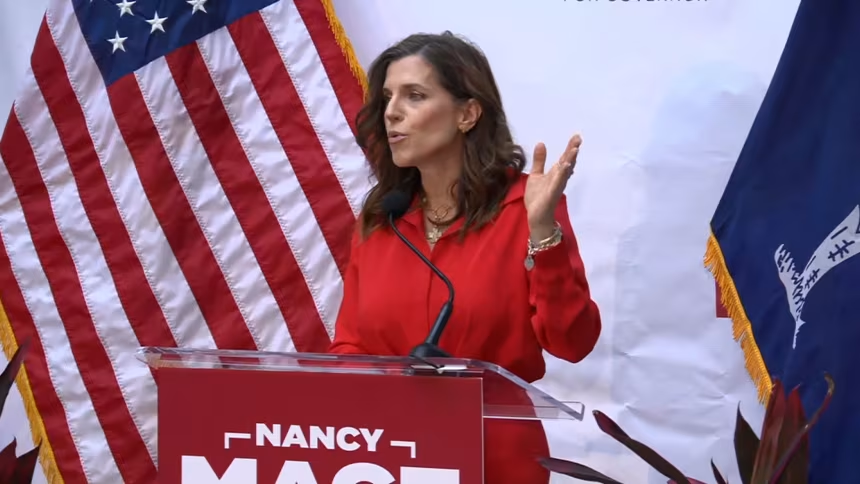
Republican Rep. Nancy Mace launches campaign for South Carolina governor
Entities mentioned:
- Nancy Mace: Ambition, Power, Self-preservation
- Donald Trump: Influence, Power, Loyalty
- Alan Wilson: Professional pride, Self-preservation, Justice
- Republican Party: Power, Control, Unity
Article Assessment:
Credibility Score: 75/100
Bias Rating: 55/100 (Center)
Sentiment Score: 45/100
Bias Analysis:
The article presents a balanced view of Nancy Mace's political career and campaign launch, including both supportive and critical elements. While it provides context on her relationship with Trump and controversial stances, it maintains a largely neutral tone in its reporting.
Key metric: Political Polarization Index
As a social scientist, I analyze that this article highlights the increasing polarization within the Republican Party and the broader political landscape. Nancy Mace's evolution from a Trump critic to an ally demonstrates the power dynamics and ideological shifts within the GOP. Her campaign launch and policy proposals, particularly those targeting state agencies and addressing cultural issues, reflect a growing trend of confrontational politics. The mention of her past criticisms of Trump and subsequent alignment with him illustrates the complex nature of party loyalty and political survival in the current climate. This case study provides insight into how individual political ambitions intersect with party dynamics and national trends, potentially exacerbating political divisions and affecting governance at both state and national levels.
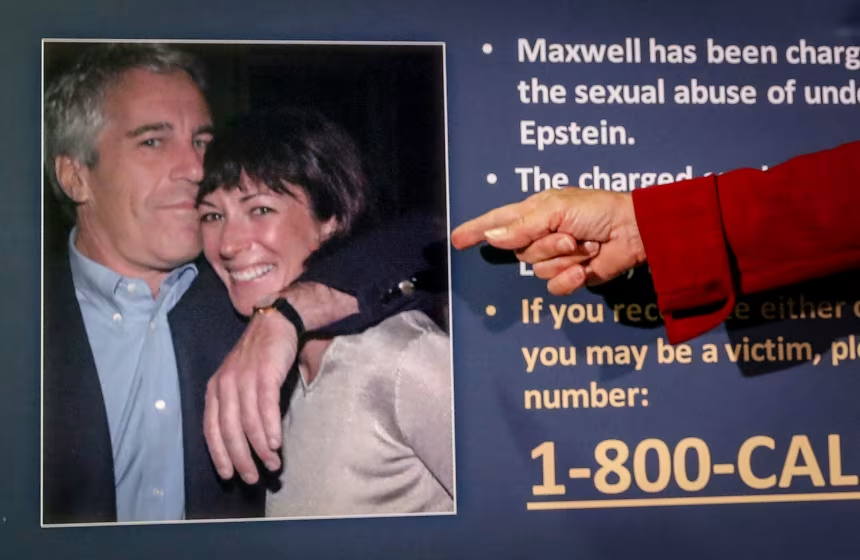
Ghislaine Maxwell’s prison transfer adds to Trump’s Epstein morass
Entities mentioned:
- Ghislaine Maxwell: Self-preservation, Security, Freedom
- Donald Trump: Self-preservation, Power, Control
- Jeffrey Epstein: Power, Control, Greed
- Todd Blanche: Loyalty, Professional pride, Influence
- Bureau of Prisons: Duty, Control, Security
- Justice Department: Justice, Control, Duty
- Virginia Giuffre: Justice, Recognition, Self-respect
Article Assessment:
Credibility Score: 75/100
Bias Rating: 35/100 (Lean Left)
Sentiment Score: 25/100
Bias Analysis:
The article leans left in its framing, focusing critically on Trump administration actions and emphasizing potential improprieties. While it presents factual information, the tone and selection of details suggest a skeptical view of the administration's handling of the Epstein-Maxwell case.
Key metric: Government Transparency and Accountability
As a social scientist, I analyze that this article highlights significant concerns about the Trump administration's handling of the Epstein-Maxwell case, potentially impacting government transparency and accountability. The unusual prison transfer of Ghislaine Maxwell, coupled with the administration's lack of transparency regarding meetings and document disclosures, raises questions about potential favoritism or interference in the justice process. This situation could erode public trust in governmental institutions and the rule of law. The article suggests a pattern of behavior that may be perceived as attempts to control information or influence potential witnesses, which could have far-reaching implications for the integrity of the justice system and the public's perception of governmental fairness and accountability.