
Facts First
Entities mentioned:
- Donald Trump: Power, Influence, Legacy
- Joe Biden: Duty, Legacy, Unity
- Kamala Harris: Ambition, Recognition, Unity
- Nikki Haley: Ambition, Competitive spirit, Recognition
- Republican Party: Power, Control, Loyalty
- Democratic Party: Unity, Justice, Control
- Voters: Security, Freedom, Self-preservation
Article Assessment:
Credibility Score: 75/100
Bias Rating: 45/100 (Center)
Sentiment Score: 45/100
Authoritarianism Risk: 25/100 (Generally Democratic)
Bias Analysis:
The articles attempt to present diverse voter perspectives from various regions and demographics. While there's a slight lean towards examining Democratic challenges, the content also covers Republican voter sentiments extensively.
Key metric: Voter Engagement and Political Polarization
As a social scientist, I analyze that this collection of articles highlights the deep political divisions and shifting voter sentiments in key battleground states. The content demonstrates how various demographic groups, including blue-collar workers, Hispanic voters, and suburban residents, are responding to major political figures and policy issues. The articles reveal a complex political landscape where traditional party loyalties are being tested, and voters are grappling with concerns about age, economic impacts, and social issues. This ongoing voter engagement and the apparent polarization suggest a highly contested and potentially volatile political environment leading up to the 2024 election.
- Read more about Facts First
- Log in to post comments

Man charged for throwing a sandwich at an officer in DC worked at DOJ and has been fired
Entities mentioned:
- Sean Charles Dunn: Moral outrage, Indignation, Righteousness
- Pam Bondi: Justice, Power, Control
- Donald Trump: Control, Power, Security
- Jeanine Pirro: Loyalty, Justice, Control
- Department of Justice: Control, Justice, Power
- US Customs and Border Protection: Duty, Security, Control
Article Assessment:
Credibility Score: 70/100
Bias Rating: 65/100 (Lean Right)
Sentiment Score: 30/100
Authoritarianism Risk: 75/100 (Authoritarian Tendencies)
Bias Analysis:
The article leans slightly right, giving more space to pro-law enforcement voices and emphasizing the administration's tough stance. However, it does include some balancing information about crime statistics contradicting the administration's claims.
Key metric: Public Trust in Government Institutions
As a social scientist, I analyze that this incident highlights growing tensions between federal law enforcement and civilians, exacerbated by the Trump administration's increased deployment of federal officers in Washington, DC. The firing and prosecution of a DOJ employee for a relatively minor offense (throwing a sandwich) suggests a hardline approach to dissent and could be seen as an attempt to intimidate government workers. This event, coupled with the takeover of local police by federal authorities, indicates a significant shift in the balance of power between local and federal law enforcement, potentially impacting public trust in government institutions. The strong rhetoric from officials like Bondi and Pirro further polarizes the situation, potentially deepening divisions between law enforcement and the public they serve.
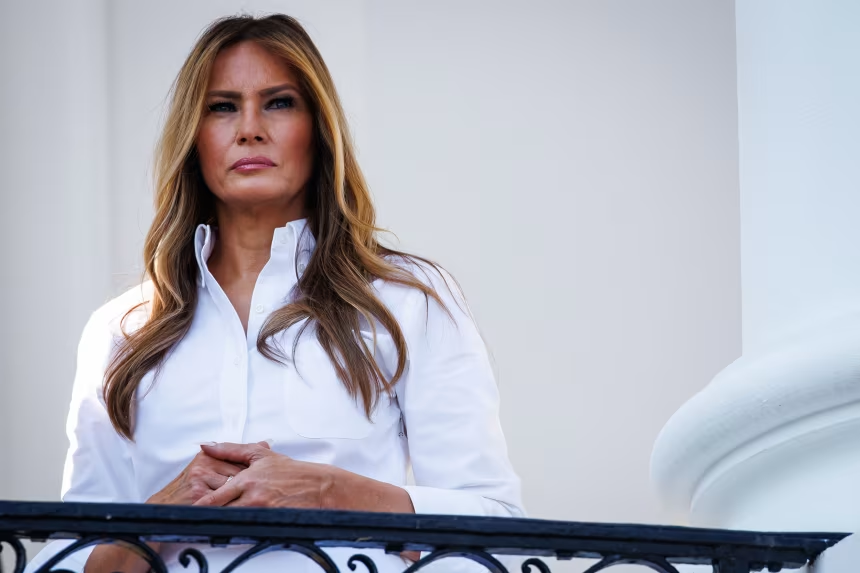
Trump told Melania to ‘go forward’ with legal action against Hunter Biden over Epstein relationship comments
Entities mentioned:
- Donald Trump: Power, Control, Self-preservation
- Melania Trump: Self-preservation, Pride, Righteousness
- Hunter Biden: Defiance, Self-preservation, Indignation
- Jeffrey Epstein: Power, Control
- Andrew Callaghan: Curiosity, Professional pride, Recognition
- Nick Clemens: Duty, Loyalty
- Michael Wolff: Recognition, Influence
Article Assessment:
Credibility Score: 65/100
Bias Rating: 55/100 (Center)
Sentiment Score: 30/100
Authoritarianism Risk: 35/100 (Generally Democratic)
Bias Analysis:
The article presents multiple viewpoints and sources, including direct quotes from both sides. However, there's slightly more focus on Hunter Biden's perspective, which may suggest a slight center-left lean.
Key metric: Political Polarization Index
As a social scientist, I analyze that this article highlights the ongoing political tensions and legal battles between the Trump family and Hunter Biden. The threat of legal action over comments about the Trumps' relationship with Jeffrey Epstein further intensifies the already polarized political climate. This situation likely increases distrust between political factions and could lead to a further deterioration of civil discourse. The involvement of high-profile figures and the sensational nature of the claims may contribute to increased cynicism among the public regarding political figures and institutions. Furthermore, the use of legal threats against political opponents may have a chilling effect on free speech and open dialogue, potentially impacting democratic processes.

‘Chaos, fear and confusion’: Trump-backed crackdown hits DC’s homeless population
Entities mentioned:
- Donald Trump: Power, Control, Influence
- Amber Harding: Justice, Duty, Moral outrage
- Heather Bernard: Self-preservation, Freedom, Self-respect
- Muriel Bowser: Duty, Self-preservation, Wariness
- Charles Allen: Concern, Duty, Wariness
- Karoline Leavitt: Loyalty, Duty, Control
- Edward Wycoff: Justice, Concern, Professional pride
- Isis Burnette: Self-preservation, Freedom, Self-respect
Article Assessment:
Credibility Score: 75/100
Bias Rating: 40/100 (Lean Left)
Sentiment Score: 30/100
Authoritarianism Risk: 65/100 (Authoritarian Tendencies)
Bias Analysis:
The article leans slightly left, giving more voice to homeless advocates and individuals than to supporters of the crackdown. However, it does include perspectives from both sides and provides factual context.
Key metric: Homelessness Rate
As a social scientist, I analyze that this article highlights the complex interplay between federal and local governance in addressing homelessness in Washington, D.C. The Trump administration's aggressive approach to clearing homeless encampments is creating tension with local officials and advocacy groups. This policy shift risks disrupting existing support systems and potentially criminalizing homelessness, which could lead to increased homelessness rates and reduced access to services. The article illustrates the challenges of balancing public safety concerns with the rights and needs of homeless individuals, and the potential consequences of a top-down, enforcement-heavy approach to a complex social issue.
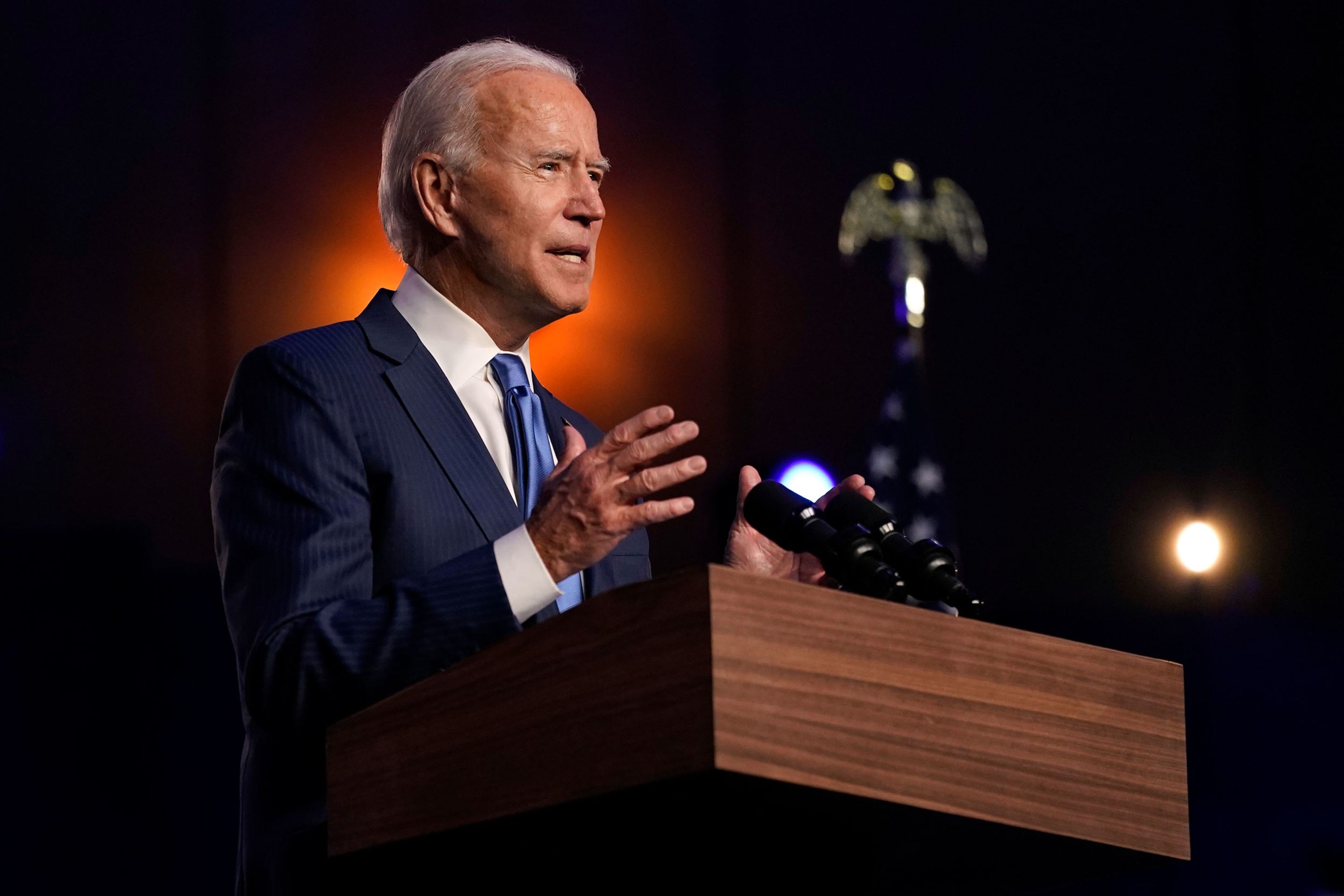
In pictures: Former President Joe Biden
Entities mentioned:
- Joe Biden: Ambition, Legacy, Duty
- Donald Trump: Power, Competitive spirit
- Kamala Harris: Ambition, Loyalty, Unity
- Barack Obama: Legacy, Influence
- Jacquelyn Brittany: Recognition, Enthusiasm, Loyalty
- Democratic Party: Unity, Power, Self-preservation
Article Assessment:
Credibility Score: 70/100
Bias Rating: 40/100 (Lean Left)
Sentiment Score: 55/100
Authoritarianism Risk: 25/100 (Generally Democratic)
Bias Analysis:
The article leans slightly left, evidenced by its sympathetic portrayal of Biden and positive framing of Democratic figures. However, it maintains a relatively balanced tone by including factual information about Biden's career and electoral history.
Key metric: Political Stability and Absence of Violence
As a social scientist, I analyze that this article highlights significant shifts in the U.S. political landscape, particularly focusing on Joe Biden's career trajectory and the events leading to his withdrawal from the 2024 presidential race. The emphasis on Biden's decision to step aside for the 'good of the party and country' suggests a prioritization of party unity and political stability over personal ambition. The inclusion of Jacquelyn Brittany's story underscores the importance of relatability and personal connection in political narratives. The transition of support to Kamala Harris indicates a potential shift in party leadership and strategy, which could have substantial implications for the Democratic Party's future direction and electoral prospects. This political reshuffling may impact the country's political stability metric by introducing uncertainty in leadership transition and potentially altering policy directions.
- Read more about In pictures: Former President Joe Biden
- Log in to post comments
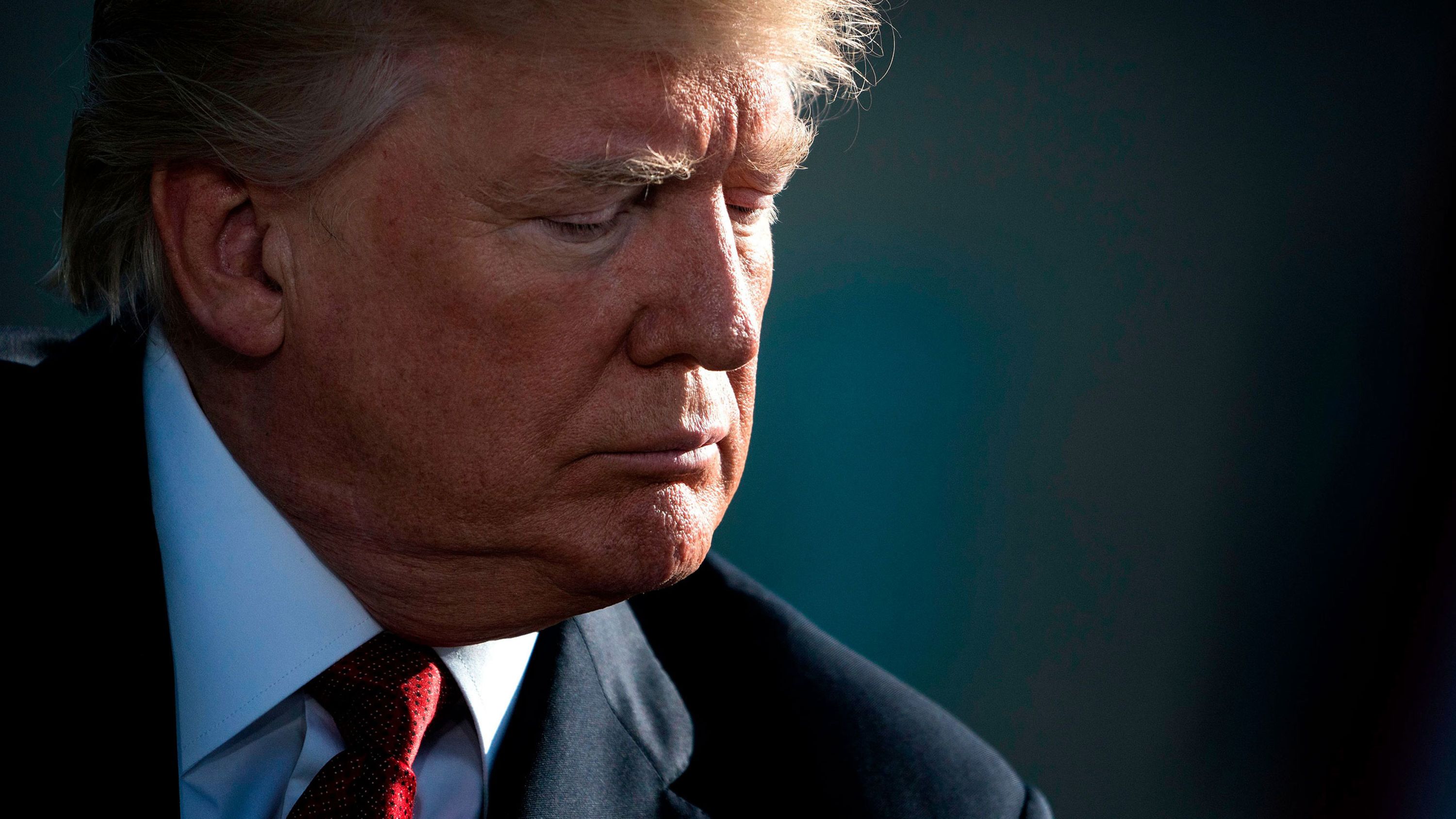
In pictures: President Donald Trump
Entities mentioned:
- Donald Trump: Power, Revenge, Legacy
- Kamala Harris: Ambition, Duty, Influence
- Joe Biden: Legacy, Duty, Power
- Hillary Clinton: Ambition, Power, Legacy
- Michael Cohen: Loyalty, Self-preservation, Justice
- Stormy Daniels: Recognition, Justice, Self-preservation
- Jack Smith: Duty, Justice, Professional pride
- Fani Willis: Justice, Duty, Professional pride
Article Assessment:
Credibility Score: 70/100
Bias Rating: 55/100 (Center)
Sentiment Score: 30/100
Authoritarianism Risk: 65/100 (Authoritarian Tendencies)
Bias Analysis:
The article presents a mix of factual information and controversial events without overtly favoring either side. While it includes Trump's legal troubles, it also mentions his political comeback, maintaining a relatively balanced perspective.
Key metric: Political Stability Index
As a social scientist, I analyze that this article highlights significant challenges to the US political system and its stability. Trump's return to power after legal controversies, including a felony conviction, represents a major shift in political norms. The dropping of federal cases and the disqualification of a district attorney in a state case suggest potential erosion of judicial independence and the rule of law. The assassination attempt on a presidential candidate further underscores the heightened political tensions and potential for violence. These events collectively indicate a weakening of democratic institutions and a trend towards increased polarization, potentially lowering the US Political Stability Index.
- Read more about In pictures: President Donald Trump
- Log in to post comments
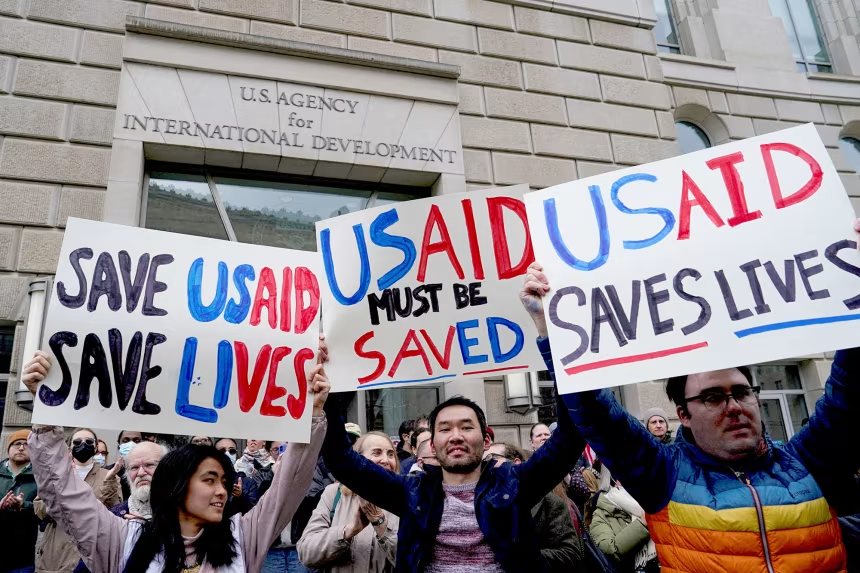
Appeals court allows Trump to continue ending foreign aid grants
Entities mentioned:
- President Donald Trump: Power, Control, Influence
- US DC Circuit Court of Appeals: Duty, Justice, Obligation
- Congress: Power, Control, Obligation
- State Department: Duty, Obligation, Influence
- USAID: Duty, Obligation, Professional pride
- Judge Karen Henderson: Duty, Justice, Professional pride
- Lauren Bateman: Justice, Moral outrage, Duty
- Judge Greg Katsas: Duty, Loyalty, Professional pride
- Judge Florence Pan: Justice, Moral outrage, Duty
- Steve Vladeck: Justice, Professional pride, Moral outrage
Article Assessment:
Credibility Score: 75/100
Bias Rating: 55/100 (Center)
Sentiment Score: 35/100
Authoritarianism Risk: 65/100 (Authoritarian Tendencies)
Bias Analysis:
The article presents multiple viewpoints, including the court's decision, dissenting opinion, and expert commentary. While it leans slightly towards criticism of the ruling, it provides factual information about the decision and its potential impacts.
Key metric: Separation of Powers Index
As a social scientist, I analyze that this court ruling significantly impacts the balance of power between the executive and legislative branches of the US government. By limiting the ability to challenge presidential budget decisions to only the Comptroller General, the court has potentially increased executive power at the expense of legislative oversight. This could lead to a shift in the Separation of Powers Index, potentially weakening checks and balances. The decision may also have far-reaching consequences for foreign aid distribution, potentially affecting US soft power and global health initiatives. The dissenting opinion and expert commentary suggest that this ruling could be seen as a departure from established constitutional norms, which may lead to further legal challenges or attempts to address this through legislation.
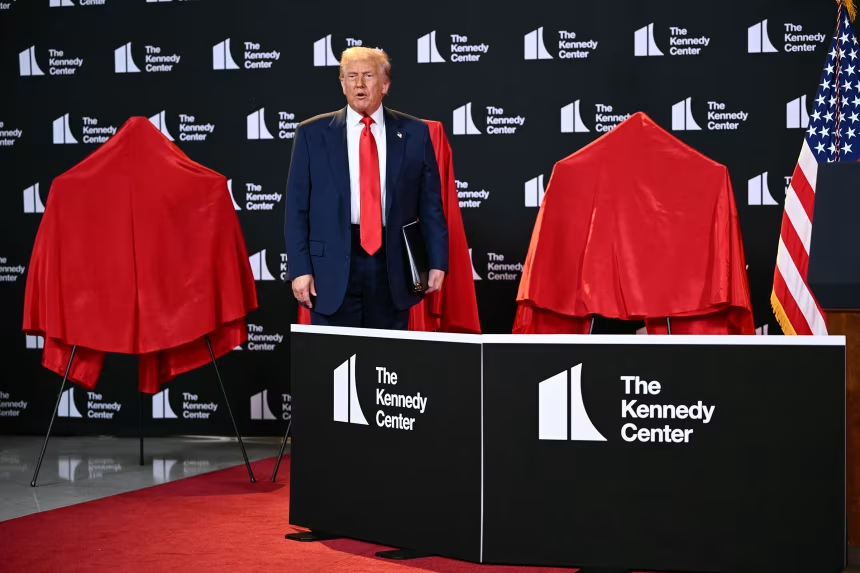
Trump announces Kennedy Center honorees as he tries to put his stamp on DC
Entities mentioned:
- Donald Trump: Power, Control, Legacy
- Kennedy Center: Professional pride, Influence, Recognition
- Republican Party: Loyalty, Power, Control
- Democratic Party: Righteousness, Moral outrage, Resistance
- Washington, DC: Self-preservation, Freedom, Unity
Article Assessment:
Credibility Score: 70/100
Bias Rating: 45/100 (Center)
Sentiment Score: 35/100
Authoritarianism Risk: 65/100 (Authoritarian Tendencies)
Bias Analysis:
The article presents a balanced view of events, including both Trump's actions and criticisms from opponents. While it leans slightly towards emphasizing concerns about Trump's interventions, it also includes his justifications and supporters' viewpoints.
Key metric: Government Control Over Cultural Institutions
As a social scientist, I analyze that this article highlights a significant shift in the relationship between the federal government and cultural institutions in Washington, DC. Trump's aggressive moves to exert control over the Kennedy Center and other DC institutions represent an unprecedented level of federal intervention in traditionally independent cultural spaces. This could have far-reaching implications for artistic freedom, cultural expression, and the separation of politics from the arts. The article suggests a potential politicization of cultural institutions, which may lead to changes in programming, funding, and leadership that align more closely with the current administration's ideology. This shift could impact the diversity of artistic voices and perspectives represented in these institutions, potentially altering the cultural landscape of the nation's capital and, by extension, the country.

Big moments in Trump’s negotiations: From a shouting match with Zelensky to threats of sanctions against Russia
Entities mentioned:
- Donald Trump: Power, Legacy, Control
- Vladimir Putin: Power, Control, Self-preservation
- Volodymyr Zelensky: Self-preservation, Duty, Pride
- JD Vance: Duty, Loyalty, Influence
- Steve Witkoff: Duty, Influence, Professional pride
- Mark Rutte: Duty, Unity, Security
- Keith Kellogg: Duty, Influence, Professional pride
- Pete Hegseth: Control, Professional pride, Duty
Article Assessment:
Credibility Score: 75/100
Bias Rating: 55/100 (Center)
Sentiment Score: 35/100
Authoritarianism Risk: 45/100 (Mixed/Neutral)
Bias Analysis:
The article presents a fairly balanced view of events, including both positive and negative aspects of Trump's diplomatic efforts. While it focuses heavily on Trump's actions, it also includes perspectives from other involved parties, maintaining a relatively centrist position.
Key metric: International Relations and Diplomacy
As a social scientist, I analyze that this article highlights the complex dynamics of international diplomacy in the context of the Ukraine-Russia conflict. Trump's approach to negotiations demonstrates a mix of personal diplomacy, economic pressure, and military aid, which has yielded limited success. The frequent shifts in tone and strategy, from threats of sanctions to attempts at personal rapport with Putin, reflect the challenges of navigating a complex geopolitical crisis. The article also underscores the tensions between the US and its allies, particularly Ukraine, as evidenced by the confrontational meeting with Zelensky. This situation impacts US global influence and its ability to mediate international conflicts effectively.
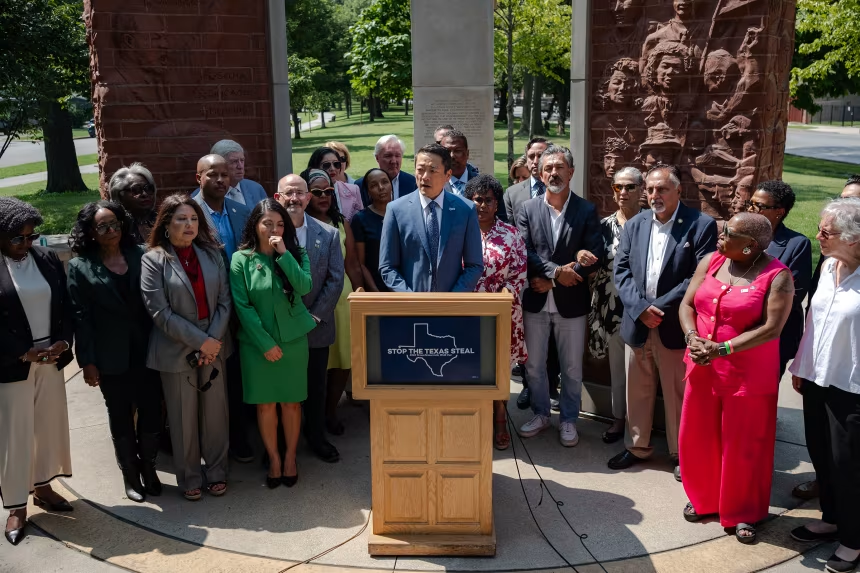
Illinois judge declines Texas AG’s request to enforce arrest warrants in redistricting standoff
Entities mentioned:
- Ken Paxton: Power, Control, Determination
- Texas House Democrats: Justice, Determination, Righteousness
- Judge Scott Larson: Duty, Justice, Professional pride
- Dustin Burrows: Power, Control, Loyalty
- Greg Abbott: Power, Control, Determination
- Gene Wu: Justice, Determination, Unity
Article Assessment:
Credibility Score: 75/100
Bias Rating: 45/100 (Center)
Sentiment Score: 35/100
Authoritarianism Risk: 65/100 (Authoritarian Tendencies)
Bias Analysis:
The article presents a relatively balanced view of the situation, including perspectives from both Republican and Democratic actors. While it provides more detail on the Democrats' stance, it also explains the Republicans' legal maneuvers without overtly favoring either side.
Key metric: Political Polarization Index
As a social scientist, I analyze that this article highlights the ongoing political struggle over redistricting in Texas, which has significant implications for the balance of power in the US House of Representatives. The Texas GOP's aggressive tactics, including attempting to enforce arrest warrants across state lines, indicate a high level of polarization and a willingness to push legal boundaries. The Democrats' decision to flee the state to prevent a quorum further underscores the depth of the divide. This standoff is likely to exacerbate political tensions and potentially inspire similar tactics in other states, contributing to a nationwide increase in partisan polarization. The involvement of multiple states and the potential impact on national representation make this a critical issue for tracking political polarization trends.