
Federal agents gather in DC to enforce Trump-directed crackdown on homeless encampments
Entities mentioned:
- Donald Trump: Power, Control, Recognition
- Federal agents: Duty, Control, Obligation
- DC officials: Duty, Loyalty, Professional pride
- Homeless advocates: Justice, Moral outrage, Righteousness
- Homeless individuals: Self-preservation, Security, Anxiety
Article Assessment:
Credibility Score: 75/100
Bias Rating: 40/100 (Lean Left)
Sentiment Score: 30/100
Authoritarianism Risk: 65/100 (Authoritarian Tendencies)
Bias Analysis:
The article leans slightly left, focusing more on the perspectives of homeless advocates and the potential negative impacts of the federal intervention. While it includes some quotes from officials, it emphasizes the confusion and potential harm caused by the Trump administration's actions.
Key metric: Social Cohesion Index
As a social scientist, I analyze that this article highlights a significant conflict between federal and local authorities in addressing homelessness in Washington, DC. The federal intervention, directed by President Trump, appears to be disrupting established local processes and creating confusion. This approach risks exacerbating tensions between different levels of government, law enforcement agencies, and the homeless population. The lack of coordination and communication between federal agents and local officials is particularly concerning, as it may lead to ineffective and potentially harmful outcomes for the homeless individuals involved. The abrupt nature of the intervention, without proper planning or consideration of ongoing local efforts, could negatively impact the social fabric of the city and undermine trust in government institutions.

What polls show ahead of Friday’s Trump-Putin meeting
Entities mentioned:
- Donald Trump: Power, Influence, Legacy
- Vladimir Putin: Power, Control, Influence
- Americans: Security, Justice, Freedom
- Republicans: Loyalty, Security, Wariness
Article Assessment:
Credibility Score: 75/100
Bias Rating: 45/100 (Center)
Sentiment Score: 35/100
Authoritarianism Risk: 25/100 (Generally Democratic)
Bias Analysis:
The article presents data from multiple reputable polling sources and offers balanced commentary. While it focuses more on Republican shifts, it also provides overall American sentiment, maintaining a relatively centrist perspective.
Key metric: US Foreign Policy Effectiveness
As a social scientist, I analyze that this article highlights a significant shift in American public opinion, particularly among Republicans, regarding the Ukraine-Russia conflict. The data from multiple polls suggests an increasing hawkish stance towards Russia and greater support for Ukraine. This shift poses challenges for Trump's historically softer approach to Putin, potentially impacting US foreign policy effectiveness. The article indicates that Trump's recent criticism of Putin has somewhat aligned him with the changing Republican sentiment, but there remains skepticism about his ability to effectively manage the relationship with Russia. This evolving public opinion could pressure the administration to adopt a firmer stance against Russia, potentially influencing diplomatic strategies and international alliances.
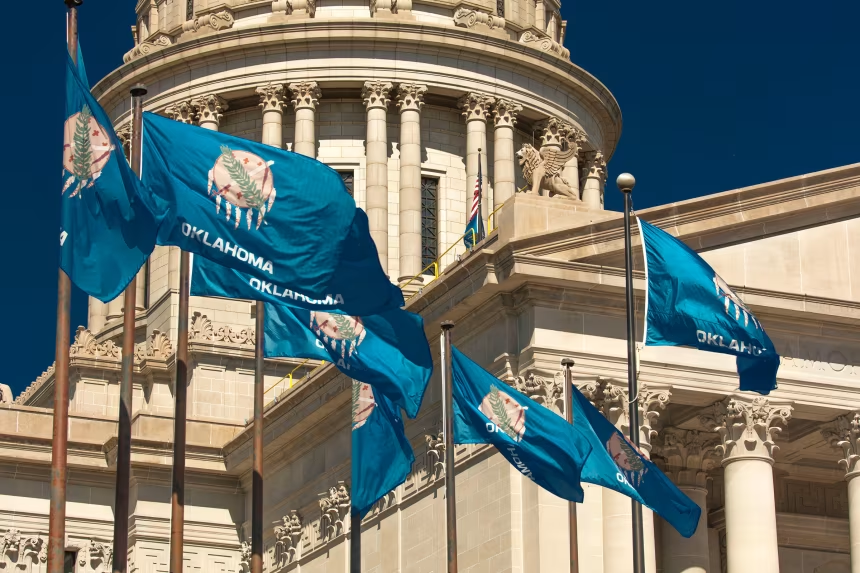
Exclusive: Oklahoma to begin controversial test to weed out ‘woke’ teacher applicants today
Entities mentioned:
- Ryan Walters: Control, Righteousness, Moral outrage
- PragerU: Influence, Righteousness, Power
- Oklahoma State Department of Education: Control, Loyalty, Righteousness
- Jonathan Zimmerman: Professional pride, Wariness, Curiosity
- Marissa Streit: Influence, Righteousness, Professional pride
- John Waldron: Indignation, Professional pride, Duty
- Donald Trump: Power, Influence, Recognition
Article Assessment:
Credibility Score: 65/100
Bias Rating: 55/100 (Center)
Sentiment Score: 30/100
Authoritarianism Risk: 70/100 (Authoritarian Tendencies)
Bias Analysis:
The article presents multiple viewpoints, including critics of the assessment, but gives more space to Walters' perspective. The framing suggests skepticism towards the assessment, but attempts to maintain a balanced approach.
Key metric: Education Quality and Teacher Retention
As a social scientist, I analyze that this controversial assessment for teacher applicants in Oklahoma represents a significant shift in the politicization of education. The use of PragerU, a conservative media company, to develop this assessment raises concerns about the objectivity and educational validity of the test. This move could potentially impact teacher recruitment and retention, especially for those from more liberal states, potentially exacerbating Oklahoma's existing teacher shortage. The assessment's focus on ideological alignment rather than pedagogical skills or subject matter expertise may have long-term implications for the quality of education in the state. Furthermore, this development signifies a broader trend of injecting partisan politics into educational policy, which could lead to increased polarization in the education system and potentially limit diverse perspectives in classrooms.
American history won't be displayed 'in a woke manner' at Smithsonian, Trump says
Entities mentioned:
- Donald Trump: Control, Patriotism, Legacy
- Smithsonian Institution: Professional pride, Duty, Obligation
- Stephen Miller: Righteousness, Loyalty, Patriotism
- JD Vance: Control, Duty, Patriotism
- White House: Control, Influence, Legacy
Article Assessment:
Credibility Score: 70/100
Bias Rating: 65/100 (Lean Right)
Sentiment Score: 35/100
Authoritarianism Risk: 65/100 (Authoritarian Tendencies)
Bias Analysis:
The article leans slightly right, giving more space to Trump administration views and using terms like 'woke' without critique. However, it does include some balance by quoting the Smithsonian's response and mentioning opposing viewpoints.
Key metric: National Unity
As a social scientist, I analyze that this article highlights a growing tension between political ideology and historical representation in national institutions. The Trump administration's push for 'fair' and 'accurate' representation of American history at the Smithsonian appears to be an attempt to reshape the narrative of national identity. This intervention in cultural institutions could significantly impact national unity by potentially polarizing public opinion on how American history should be presented. The administration's focus on 'American exceptionalism' and removal of 'divisive narratives' suggests a desire to promote a more positive, patriotic view of American history, which could either unite or divide the population depending on individual perspectives on historical interpretation.
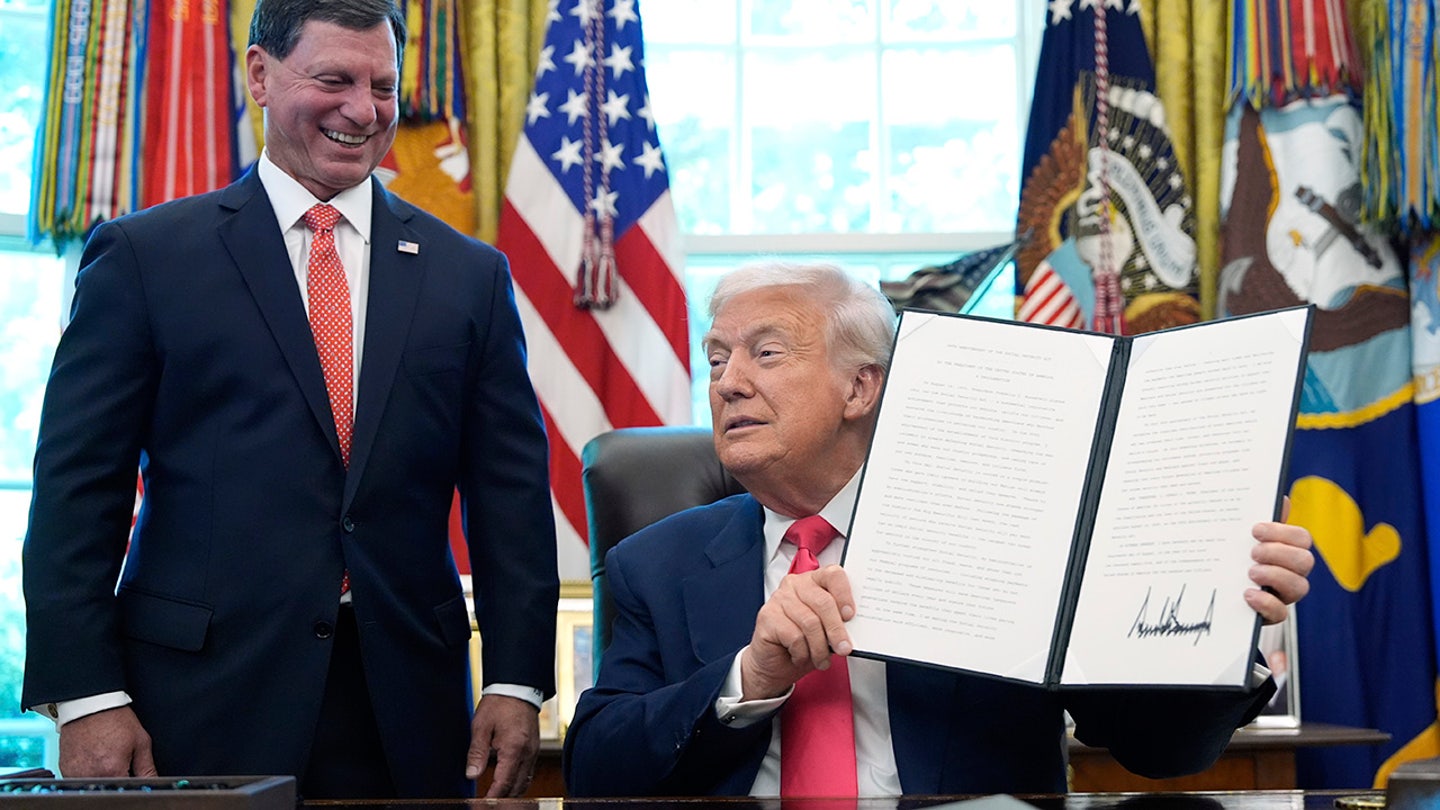
Social Security stronger under Trump, critics pushing ‘false’ narrative, commissioner says
Entities mentioned:
- Donald Trump: Power, Legacy, Self-preservation
- Frank Bisignano: Loyalty, Professional pride, Righteousness
- Democrats: Moral outrage, Control, Unity
- Social Security Administration: Duty, Efficiency, Security
- Joe Biden: Competitive spirit, Control, Legacy
Article Assessment:
Credibility Score: 55/100
Bias Rating: 75/100 (Lean Right)
Sentiment Score: 70/100
Authoritarianism Risk: 35/100 (Generally Democratic)
Bias Analysis:
The article heavily favors the Trump administration's perspective, primarily quoting the Social Security commissioner appointed by Trump. It lacks opposing viewpoints or independent expert analysis, presenting a one-sided narrative that aligns with right-leaning political views.
Key metric: Social Security System Efficiency
As a social scientist, I analyze that this article presents a defense of the Trump administration's management of Social Security, countering criticisms from Democrats. The key points revolve around improved efficiency through technology adoption, reduced wait times, and cleared backlogs. The commissioner, Frank Bisignano, argues that critics are pushing a false narrative due to political motivations. The article suggests a significant transformation in Social Security operations, moving from a check-based system to a more technologically advanced one. However, the strong partisan tone and lack of opposing viewpoints raise questions about the balanced representation of the issue. The emphasis on operational improvements without addressing long-term sustainability concerns presents a potentially incomplete picture of Social Security's overall health.
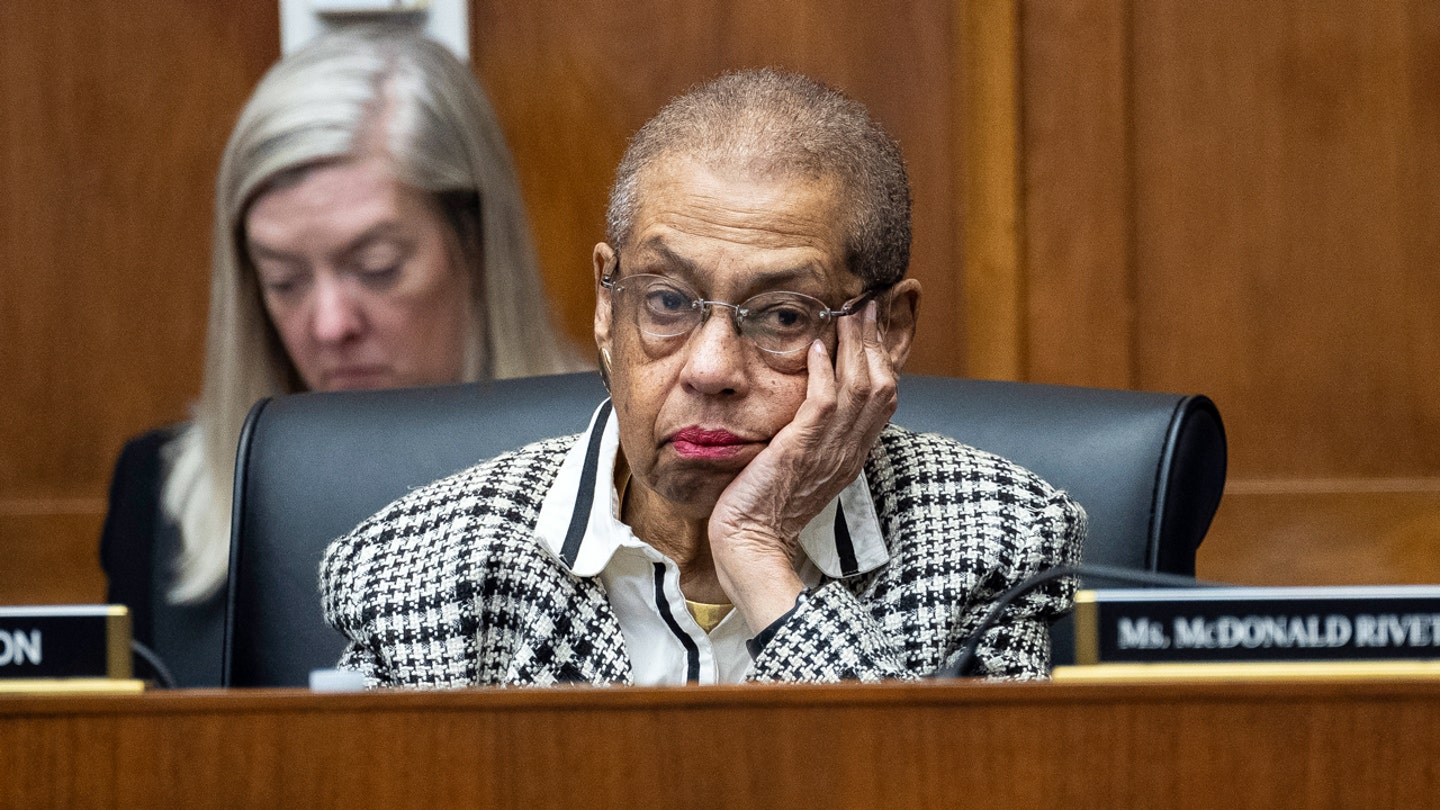
All eyes on Washington, and naught but deafening silence from the District's loudest defender
Entities mentioned:
- Eleanor Holmes Norton: Duty, Justice, Determination
- David Dreier: Control, Power, Influence
- Donald Trump: Power, Control, Influence
- Muriel Bowser: Duty, Self-preservation, Indignation
- Chris Van Hollen: Justice, Moral outrage, Duty
- Brandon Scott: Duty, Justice, Indignation
- Phil Mendelson: Loyalty, Wariness, Duty
- Hakeem Jeffries: Unity, Loyalty, Self-preservation
- Kinney Zalesne: Ambition, Justice, Competitive spirit
Article Assessment:
Credibility Score: 75/100
Bias Rating: 45/100 (Center)
Sentiment Score: 35/100
Authoritarianism Risk: 55/100 (Mixed/Neutral)
Bias Analysis:
The article presents multiple perspectives and quotes from various political figures, maintaining a relatively balanced approach. While it raises questions about Norton's recent inactivity, it also provides context and historical background, avoiding overtly partisan language.
Key metric: Democratic Representation
As a social scientist, I analyze that this article highlights a critical juncture in Washington D.C.'s struggle for full representation and local autonomy. The absence of Eleanor Holmes Norton's typically forceful advocacy during a time of federal intervention in local affairs underscores the precarious position of D.C.'s governance. This situation exemplifies the ongoing tension between federal control and local self-determination in the District, impacting the key metric of Democratic Representation. The deployment of federal forces without local consent and the relative silence of D.C.'s primary congressional advocate raise significant questions about the balance of power and the effectiveness of non-voting representation. This event may serve as a catalyst for renewed discussions on D.C. statehood and the broader implications for democratic representation in the U.S. political system.

20 officers came to arrest man charged with throwing sandwich at a police officer in DC, his lawyer says
Entities mentioned:
- Sean Charles Dunn: Moral outrage, Indignation, Justice
- Pam Bondi: Righteousness, Control, Loyalty
- Department of Justice: Control, Power, Professional pride
- Donald Trump: Power, Control, Influence
- Jeanine Pirro: Loyalty, Righteousness, Influence
- White House: Power, Control, Unity
Article Assessment:
Credibility Score: 70/100
Bias Rating: 55/100 (Center)
Sentiment Score: 30/100
Authoritarianism Risk: 75/100 (Authoritarian Tendencies)
Bias Analysis:
The article presents multiple viewpoints, including government officials and the accused's side. However, there's a slight lean towards questioning the government's actions, particularly in framing the response as disproportionate.
Key metric: Trust in Government Institutions
As a social scientist, I analyze that this incident reflects growing tensions between federal law enforcement and civilians in Washington, DC. The disproportionate response to a minor altercation (20 officers arresting one man for throwing a sandwich) suggests an escalation of authoritarian tactics and a potential abuse of power. The swift firing and felony charges against a DOJ employee for a relatively minor offense could be seen as an attempt to suppress dissent within government ranks. This event, coupled with the increased federal law enforcement presence and the President's takeover of local police, indicates a concerning trend towards centralized federal control and potential erosion of local governance. The rhetoric from officials like Bondi and Pirro emphasizes a 'with us or against us' mentality, which could further polarize public opinion and decrease trust in government institutions.
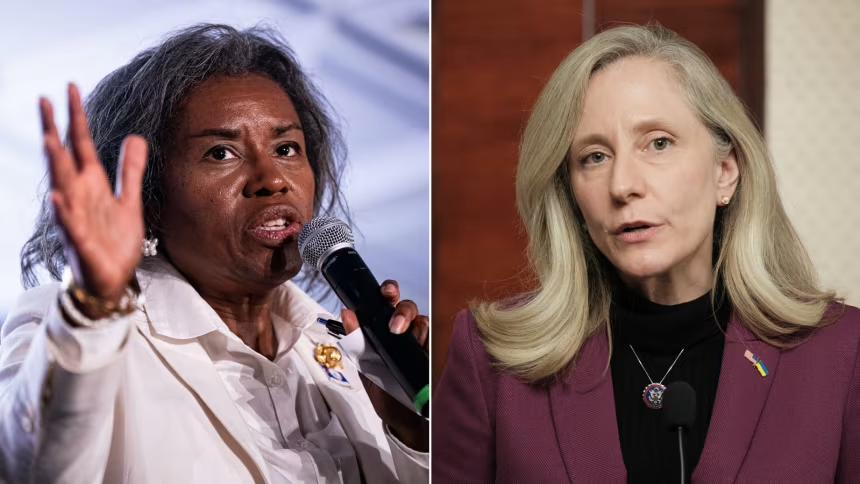
Spanberger and Earle-Sears still at odds over when to debate in Virginia governor’s race
Entities mentioned:
- Winsome Earle-Sears: Ambition, Competitive spirit, Recognition
- Abigail Spanberger: Ambition, Control, Professional pride
- CNN: Recognition, Influence, Professional pride
- Virginia Police Benevolent Association: Influence, Security, Professional pride
- Peyton Vogel: Loyalty, Professional pride, Influence
- Samson Signori: Loyalty, Control, Professional pride
Article Assessment:
Credibility Score: 75/100
Bias Rating: 55/100 (Center)
Sentiment Score: 45/100
Authoritarianism Risk: 25/100 (Generally Democratic)
Bias Analysis:
The article presents both candidates' perspectives relatively evenly, quoting spokespersons from each campaign. While it gives slightly more context for Earle-Sears' position, it maintains a generally balanced approach to reporting the debate situation.
Key metric: Voter Engagement and Participation
As a social scientist, I analyze that this article highlights the strategic maneuvering in the Virginia governor's race, particularly regarding debate participation. The disagreement over debate venues and formats reflects each campaign's attempt to control the narrative and gain a perceived advantage. This conflict could impact voter engagement by potentially limiting direct comparisons between candidates and reducing opportunities for voters to assess them side-by-side. The involvement of CNN, a national network, versus local broadcasters also speaks to tensions between national and local interests in state-level politics. The police association's split endorsements suggest a complex political landscape that doesn't cleanly align with party lines on all issues. Overall, this situation may lead to decreased voter engagement if debates are limited or seen as inaccessible, potentially affecting turnout and informed decision-making in the election.
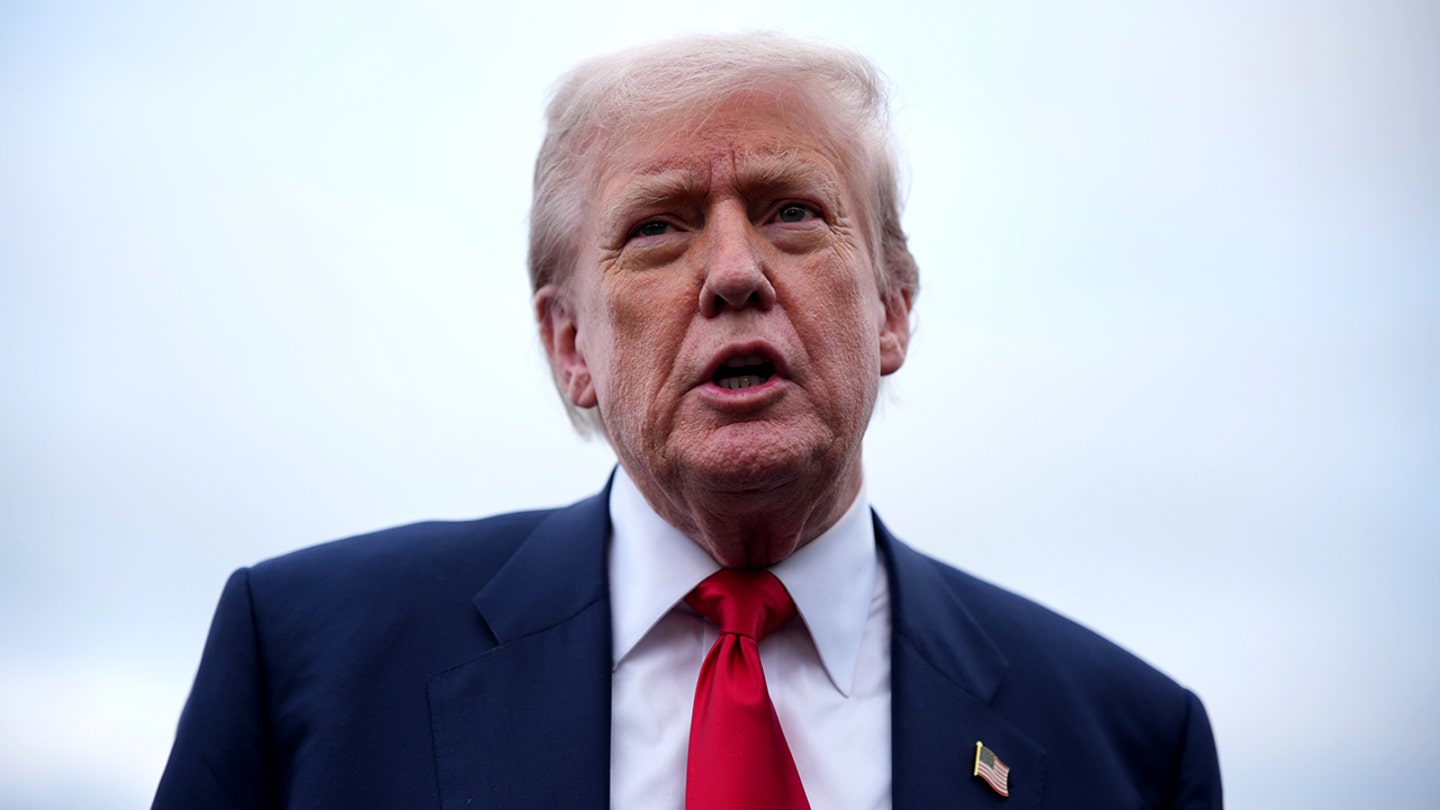
Capitol Hill prepares for high-stakes battle over Trump crime package, DC police authority
Entities mentioned:
- Donald Trump: Power, Control, Legacy
- Lindsey Graham: Loyalty, Influence, Professional pride
- Pam Bondi: Duty, Professional pride, Loyalty
- Katie Britt: Professional pride, Duty, Influence
- Chuck Schumer: Moral outrage, Opposition, Power
- Dick Durbin: Moral outrage, Opposition, Justice
- Republicans: Loyalty, Power, Control
- Democrats: Opposition, Justice, Freedom
Article Assessment:
Credibility Score: 70/100
Bias Rating: 55/100 (Center)
Sentiment Score: 35/100
Authoritarianism Risk: 65/100 (Authoritarian Tendencies)
Bias Analysis:
The article presents views from both Republican and Democratic sides, but gives slightly more space to Republican perspectives. It includes direct quotes from both parties, maintaining a relatively balanced approach despite the controversial nature of the topic.
Key metric: Crime Rate in Washington D.C.
As a social scientist, I analyze that this article highlights a growing political conflict over control of Washington D.C.'s law enforcement. President Trump's proposed crime package and desire to extend control over D.C. police signify a push for federal intervention in local affairs, framed as a necessary step to reduce crime. This move is supported by Republicans but strongly opposed by Democrats, who view it as an overreach of executive power. The conflict reflects broader tensions between federal and local authority, as well as partisan divides on approaches to crime and governance. The potential use of emergency powers to bypass Congress further escalates the situation, raising concerns about the balance of power and democratic processes. This conflict could significantly impact D.C.'s crime rates and policing practices, depending on which approach prevails.
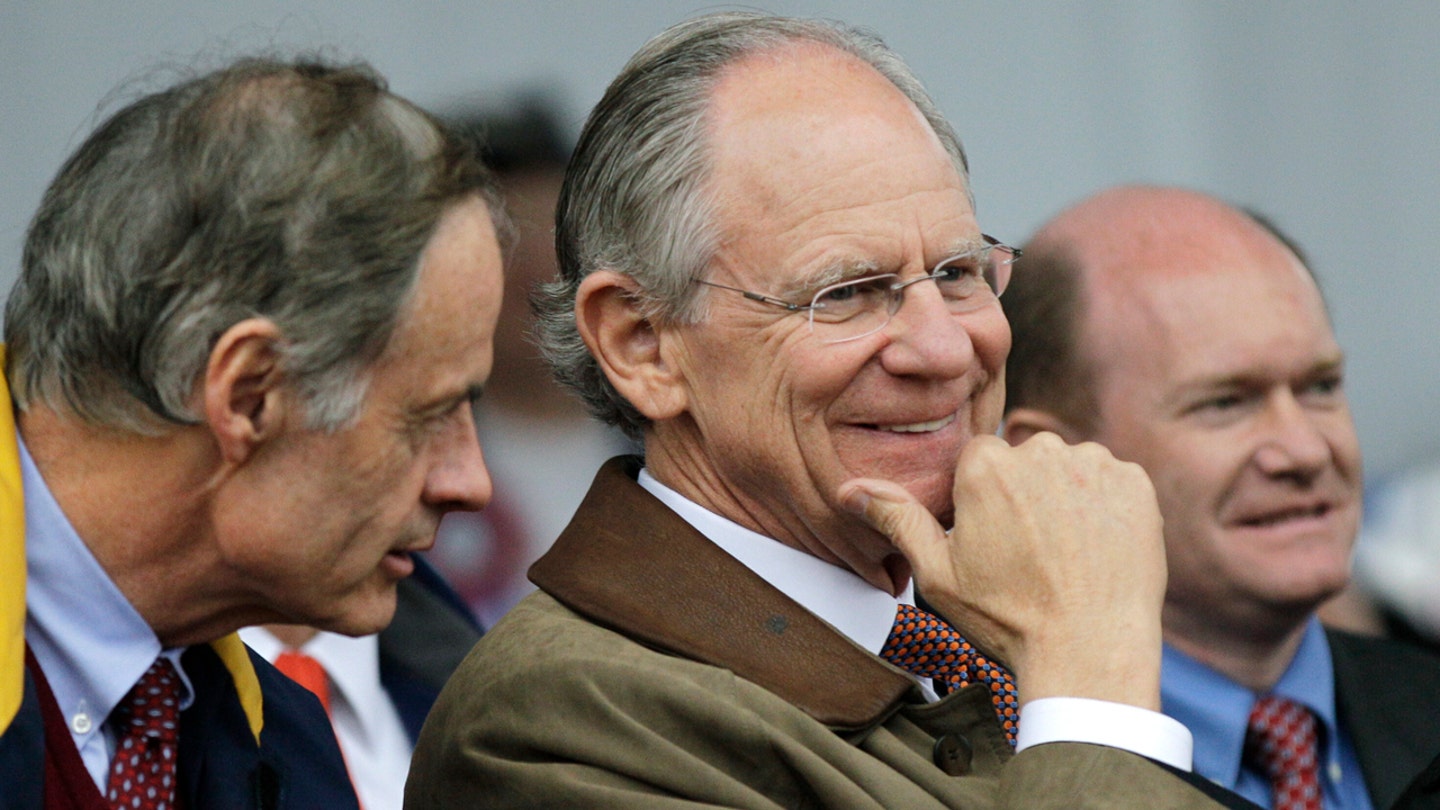
Mike Castle, Delaware's last Republican governor and congressman, dead at 86
Entities mentioned:
- Mike Castle: Duty, Public service, Legacy
- Delaware Republican Party: Loyalty, Recognition, Unity
- Joe Biden: Ambition, Power, Legacy
- Gene Truono: Respect, Duty, Unity
- Matt Meyer: Duty, Recognition, Unity
Article Assessment:
Credibility Score: 85/100
Bias Rating: 45/100 (Center)
Sentiment Score: 60/100
Authoritarianism Risk: 20/100 (Strongly Democratic)
Bias Analysis:
The article presents a balanced view of Castle's career, highlighting achievements without overt partisan framing. It includes perspectives from both Republican and Democratic sources, maintaining a centrist approach to reporting.
Key metric: Political Polarization Index
As a social scientist, I analyze that this article highlights the career of Mike Castle, a moderate Republican known for bipartisan work and fiscal conservatism. His approach to politics, characterized by centrism and willingness to work across party lines, stands in contrast to the increasing polarization in American politics. Castle's legacy, particularly his work on commemorative coin programs and education reform, demonstrates how politicians can achieve lasting impact through collaborative efforts. The article's focus on Castle's moderate stance and successful career until his 2010 primary loss may indicate a shift in the political landscape towards more partisan positions, potentially impacting the Political Polarization Index by reminding readers of a less divisive political era.