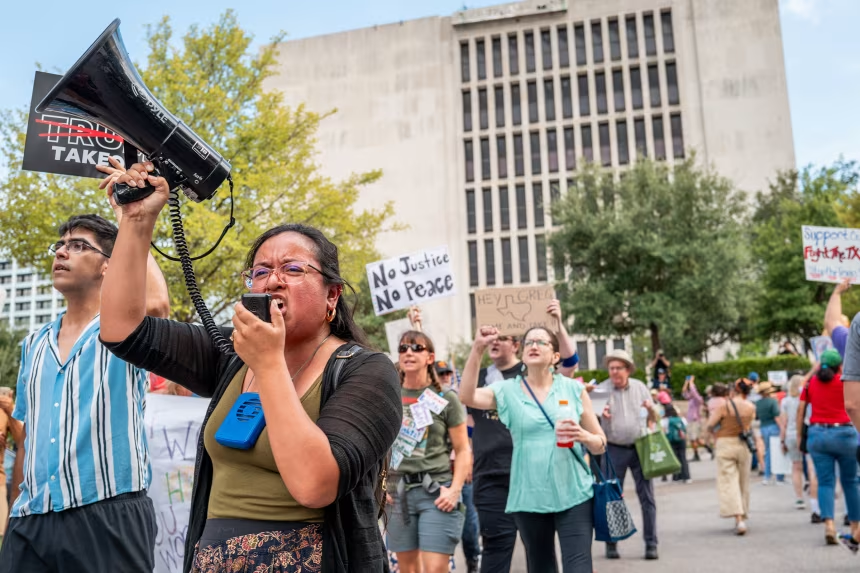
What to expect next in Texas’ redistricting standoff and whether Democrats can be expelled
Entities mentioned:
- Texas Republicans: Power, Control, Loyalty
- Texas Democrats: Justice, Righteousness, Determination
- Gov. Greg Abbott: Power, Control, Ambition
- President Donald Trump: Power, Influence, Competitive spirit
- Vice President JD Vance: Ambition, Loyalty, Influence
- Dustin Burrows: Duty, Control, Loyalty
- Ken Paxton: Loyalty, Power, Ambition
- Gene Wu: Righteousness, Duty, Justice
- Brian Harrison: Ambition, Competitive spirit, Loyalty
- Ramón Romero: Justice, Righteousness, Determination
- Lulu Flores: Determination, Justice, Duty
- Richard Peña Raymond: Unity, Duty, Pragmatism
- Chad Dunn: Justice, Professional pride, Righteousness
- Quinn Yeargain: Professional pride, Curiosity, Justice
Article Assessment:
Credibility Score: 75/100
Bias Rating: 45/100 (Center)
Sentiment Score: 35/100
Authoritarianism Risk: 60/100 (Mixed/Neutral)
Bias Analysis:
The article presents both Republican and Democratic perspectives, quoting multiple sources from each side. While it leans slightly towards the Democratic viewpoint by giving more space to their justifications, it still maintains a relatively balanced approach.
Key metric: Electoral Integrity
As a social scientist, I analyze that this redistricting standoff in Texas highlights the intense political polarization and the struggle for power between Republicans and Democrats. The GOP's efforts to redraw districts in their favor and the Democrats' attempts to block this process by leaving the state demonstrate the high stakes of redistricting in shaping future electoral outcomes. This conflict raises significant concerns about the fairness of the electoral process and the potential for gerrymandering to undermine democratic representation. The legal threats and potential removal of elected officials further escalate the situation, potentially setting dangerous precedents for political retaliation. This redistricting battle in Texas could have far-reaching implications for electoral integrity across the United States, as other states watch and potentially follow suit in their own redistricting processes.
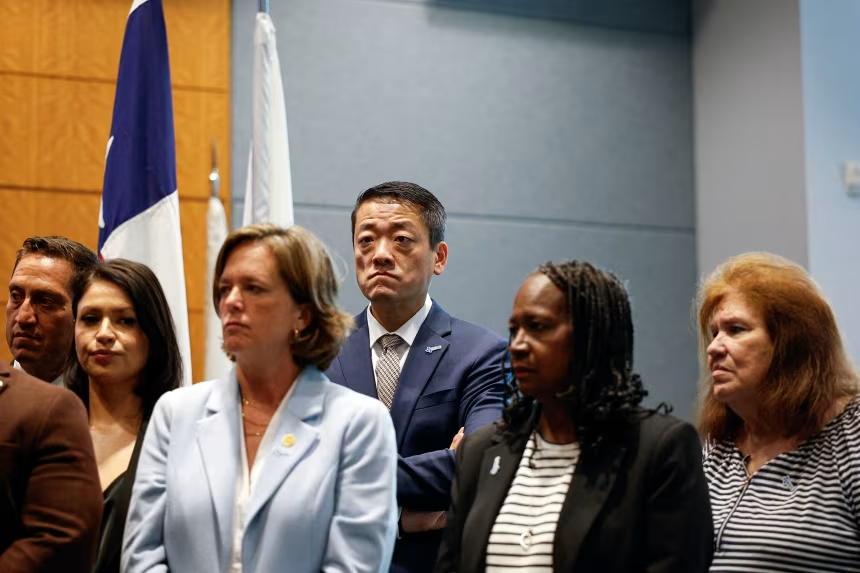
Texas House Dems faced potential bomb threat in Illinois, police say
Entities mentioned:
- Texas House Democrats: Determination, Justice, Duty
- St. Charles Police: Duty, Security, Professional pride
- Gene Wu: Unity, Determination, Security
- Ramón Romero: Unity, Determination, Security
- Barbara Gervin Hawkins: Unity, Determination, Security
- John Bucy: Determination, Justice, Indignation
- Ann Johnson: Determination, Justice, Indignation
- Ken Paxton: Power, Control, Righteousness
- JB Pritzker: Security, Duty, Justice
- Texas House Republicans: Power, Control, Competitive spirit
Article Assessment:
Credibility Score: 75/100
Bias Rating: 45/100 (Center)
Sentiment Score: 35/100
Authoritarianism Risk: 40/100 (Generally Democratic)
Bias Analysis:
The article presents statements from multiple sides, including Democrats and law enforcement. However, it gives more space to Democratic perspectives, which slightly tilts the overall tone.
Key metric: Political Polarization Index
As a social scientist, I analyze that this incident highlights the increasing political polarization in the United States, particularly in Texas. The evacuation of Texas House Democrats due to a bomb threat while in another state for a quorum break demonstrates the escalating tensions between political parties. The rhetoric used by officials, such as the Texas Attorney General's statement to 'hunt down' the Democrats, contributes to a climate of fear and hostility. This event may further entrench partisan divisions, potentially impacting legislative processes and democratic norms. The incident also raises concerns about the safety of elected officials and the potential chilling effect on political participation and discourse.

Trump administration to reinstall two Confederate statues
Entities mentioned:
- Trump administration: Control, Legacy, Pride
- Donald Trump: Power, Legacy, Influence
- US National Park Service: Duty, Obligation, Professional pride
- Pete Hegseth: Loyalty, Righteousness, Influence
- Glenn Youngkin: Pride, Legacy, Influence
- Biden administration: Justice, Unity, Righteousness
- Eleanor Holmes Norton: Justice, Moral outrage, Determination
Article Assessment:
Credibility Score: 75/100
Bias Rating: 55/100 (Center)
Sentiment Score: 35/100
Authoritarianism Risk: 65/100 (Authoritarian Tendencies)
Bias Analysis:
The article presents multiple viewpoints, including those supporting and opposing the reinstatement of Confederate monuments. However, there's a slight lean towards critical perspectives of the action, particularly in the detailed explanation of the monuments' controversial aspects.
Key metric: Social Cohesion
As a social scientist, I analyze that this article highlights a significant regression in social progress and national unity. The reinstatement of Confederate monuments, particularly in the aftermath of widespread protests against racial injustice, signals a deliberate attempt to reassert narratives that many view as supportive of systemic racism. This action is likely to exacerbate existing social tensions, potentially leading to decreased trust in government institutions and increased polarization among different demographic groups. The justification of these actions through executive orders and reinterpretations of historical narratives suggests a concerning trend towards using governmental power to shape public memory and national identity in ways that may marginalize certain communities. This could have long-term implications for social cohesion, civic engagement, and the collective understanding of American history.

Stanford’s student newspaper sues Trump administration over use of immigration law to target pro-Palestinian students
Entities mentioned:
- Stanford University's student-run newspaper: Justice, Freedom, Self-preservation
- Trump administration: Control, Security, Power
- State Department: Security, Control, Duty
- Homeland Security Department: Security, Control, Duty
- Foundation for Individual Rights and Expression: Justice, Freedom, Righteousness
- Marco Rubio: Power, Security, Duty
- Judge William Young: Justice, Duty, Impartiality
Article Assessment:
Credibility Score: 75/100
Bias Rating: 45/100 (Center)
Sentiment Score: 35/100
Authoritarianism Risk: 65/100 (Authoritarian Tendencies)
Bias Analysis:
The article presents multiple perspectives, including those of the plaintiffs and the government. While it appears to sympathize with the students' position, it also explains the government's rationale, maintaining a relatively balanced approach.
Key metric: Civil Liberties Index
As a social scientist, I analyze that this article highlights a significant conflict between national security interests and First Amendment rights, particularly affecting non-citizen students and academics. The lawsuit challenges the Trump administration's use of immigration law to potentially suppress pro-Palestinian speech, which could have a chilling effect on free expression in academic settings. This case exemplifies the tension between government efforts to control political narratives and the constitutional protection of free speech, even for non-citizens. The outcome of this and similar lawsuits could have far-reaching implications for the balance between national security measures and civil liberties in the United States, potentially impacting the country's Civil Liberties Index.
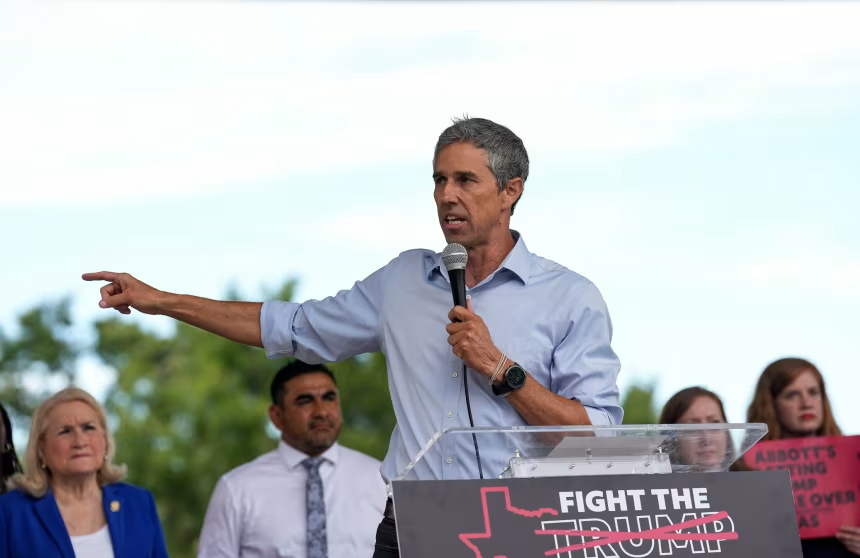
Beto O’Rourke raises funds for Texas Democrats, says 2026 midterms will be decided this summer
Entities mentioned:
- Beto O'Rourke: Ambition, Righteousness, Justice
- Texas Democrats: Justice, Determination, Self-preservation
- Texas Republicans: Power, Control, Ambition
- Greg Abbott: Control, Power, Competitive spirit
- Ken Paxton: Ambition, Power, Competitive spirit
- Alexandria Ocasio-Cortez: Justice, Influence, Loyalty
Article Assessment:
Credibility Score: 70/100
Bias Rating: 35/100 (Lean Left)
Sentiment Score: 30/100
Authoritarianism Risk: 45/100 (Mixed/Neutral)
Bias Analysis:
The article leans left in its framing, giving more space to Democratic perspectives and motivations. While it includes Republican viewpoints, these are often presented in a more critical light.
Key metric: Electoral Integrity
As a social scientist, I analyze that this article highlights a significant political conflict in Texas over redistricting, which has broader implications for national electoral politics. The actions of Texas Democrats leaving the state to prevent a quorum, and the subsequent fundraising efforts led by Beto O'Rourke, represent a high-stakes battle over electoral map-drawing that could impact future Congressional representation. The aggressive response from Republican leadership, including threats of arrest and disqualification, escalates the conflict and raises concerns about the use of state power in partisan struggles. O'Rourke's framing of the issue as a fight against 'authoritarian power' and the potential impact on future elections, including a hypothetical third Trump term, elevates the perceived importance of this local conflict to a national level. This situation reflects broader trends in American politics, including increasing polarization, the use of procedural tactics in legislative battles, and concerns about the fairness of electoral processes.
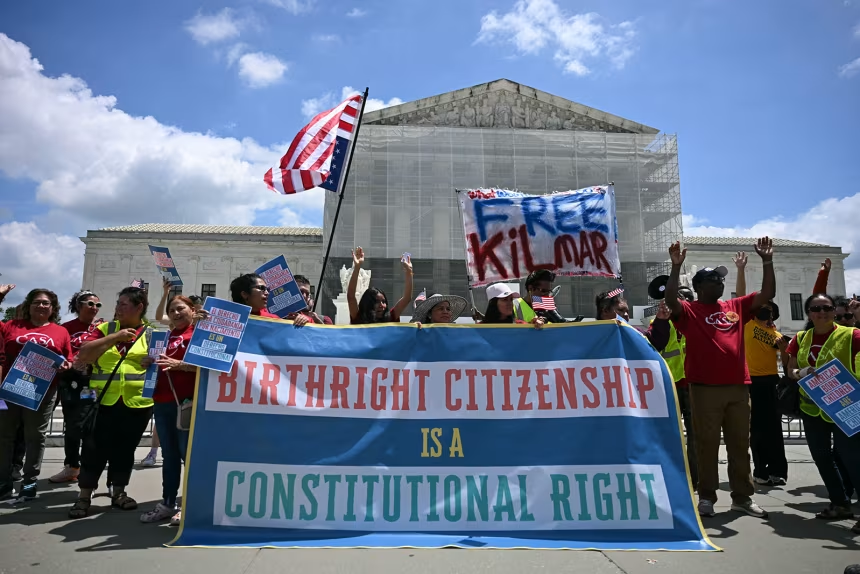
DOJ tells judge it will ask Supreme Court to quickly rule on constitutionality of Trump’s birthright citizenship order
Entities mentioned:
- Trump administration: Control, Power, Influence
- Donald Trump: Legacy, Control, Influence
- Justice Department: Duty, Professional pride, Control
- Supreme Court: Justice, Duty, Righteousness
- 9th US Circuit Court of Appeals: Justice, Duty, Professional pride
- Pam Bondi: Loyalty, Confidence, Professional pride
Article Assessment:
Credibility Score: 75/100
Bias Rating: 45/100 (Center)
Sentiment Score: 45/100
Authoritarianism Risk: 55/100 (Mixed/Neutral)
Bias Analysis:
The article presents a balanced view of the legal proceedings, quoting both administration officials and court rulings. While it doesn't overtly favor either side, it does give slightly more space to the challenges against the executive order.
Key metric: Constitutional Integrity and Rule of Law
As a social scientist, I analyze that this article highlights a significant constitutional challenge to birthright citizenship, a fundamental aspect of US immigration law. The Trump administration's pursuit of this case to the Supreme Court indicates a potential shift in long-standing interpretations of the 14th Amendment. This legal battle reflects broader tensions in American society regarding immigration, national identity, and the scope of executive power. The multiple court rulings against the executive order suggest a robust system of checks and balances, but also underscore the polarization of the judiciary on contentious issues. The outcome of this case could have far-reaching implications for US citizenship law, potentially affecting millions of individuals and reshaping demographic trends in the long term.
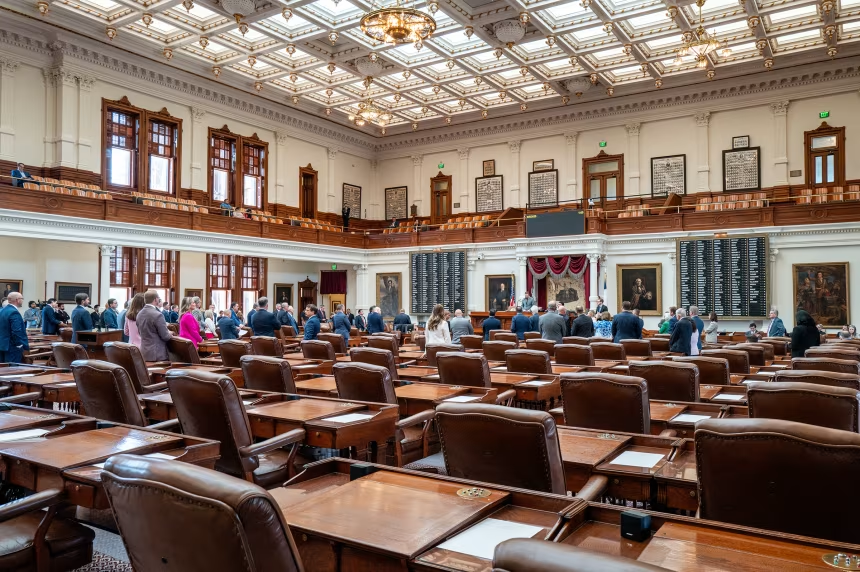
Will Texas Democrats’ walkout work?
Entities mentioned:
- Texas Democrats: Justice, Determination, Righteousness
- Texas Republicans: Power, Control, Ambition
- President Donald Trump: Power, Influence, Control
- Oregon Republicans: Loyalty, Righteousness, Obligation
Article Assessment:
Credibility Score: 75/100
Bias Rating: 45/100 (Center)
Sentiment Score: 35/100
Authoritarianism Risk: 25/100 (Generally Democratic)
Bias Analysis:
The article presents a balanced view, discussing both Democratic and Republican perspectives on walkouts and gerrymandering. While slightly more space is given to Democratic arguments, the piece includes counterpoints and potential criticisms of the walkout strategy.
Key metric: Electoral Integrity
As a social scientist, I analyze that this article highlights the ongoing struggle over redistricting and its impact on electoral integrity in the United States. The Texas Democrats' walkout represents a dramatic escalation in the fight against gerrymandering, particularly mid-decade redistricting efforts. This tactic, while potentially effective in the short term, faces significant challenges in terms of sustainability and public perception. The article suggests that while Americans generally disapprove of gerrymandering, their views can be influenced by partisan loyalty. The success of this strategy will likely depend on the Democrats' ability to frame the issue effectively and maintain public support over an extended period. The long-term implications for electoral integrity are significant, as this confrontation could either lead to fairer districting practices or further entrench partisan manipulation of electoral maps.
- Read more about Will Texas Democrats’ walkout work?
- Log in to post comments
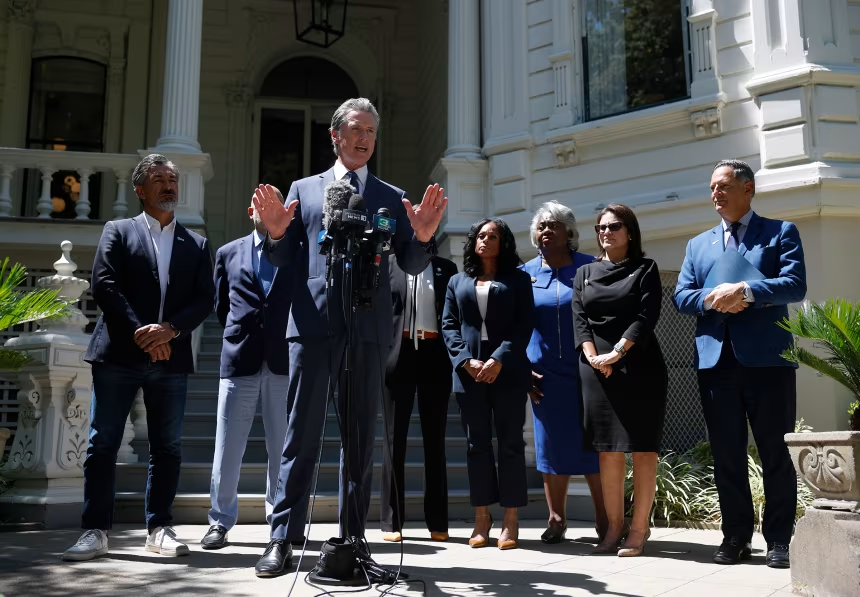
A California plan is likely the Democrats’ best option in the redistricting wars
Entities mentioned:
- Texas Republicans: Power, Control, Competitive spirit
- California Democrats: Competitive spirit, Righteousness, Power
- Gavin Newsom: Determination, Competitive spirit, Justice
- Democratic Party: Self-preservation, Power, Competitive spirit
- Republican Party: Power, Control, Competitive spirit
- Kathy Hochul: Determination, Justice, Competitive spirit
- Kevin Kiley: Righteousness, Duty, Professional pride
- Mike Johnson: Leadership, Power, Control
- JB Pritzker: Competitive spirit, Power, Influence
- David Moon: Justice, Competitive spirit, Power
Article Assessment:
Credibility Score: 75/100
Bias Rating: 45/100 (Center)
Sentiment Score: 35/100
Authoritarianism Risk: 55/100 (Mixed/Neutral)
Bias Analysis:
The article presents perspectives from both Democratic and Republican sides, attempting to provide a balanced view of the redistricting issue. However, there is slightly more focus on Democratic strategies and quotes from Democratic officials, which is balanced by critical analysis of the limitations they face.
Key metric: Congressional Seat Distribution
As a social scientist, I analyze that this article highlights the intensifying partisan battle over redistricting, with both major parties seeking to gain or maintain power through the redrawing of congressional districts. The focus on California's potential response to Texas' redistricting efforts underscores the tit-for-tat nature of this political maneuvering. This struggle significantly impacts the distribution of congressional seats, potentially altering the balance of power in the U.S. House of Representatives. The article reveals a complex landscape where some states have independent commissions to prevent gerrymandering, while others allow for more partisan control. This situation raises concerns about the fairness of representation and the integrity of the democratic process, as both parties appear willing to exploit redistricting for political gain. The potential for mid-decade redistricting in multiple states could lead to increased political instability and further erosion of public trust in electoral systems.

Former senior Biden aide to appear before House committee in probe of former president’s alleged mental decline
Entities mentioned:
- Joe Biden: Power, Legacy, Self-preservation
- Bruce Reed: Loyalty, Duty, Professional pride
- House Oversight Committee: Justice, Control, Righteousness
- Anita Dunn: Loyalty, Professional pride, Self-preservation
- Donald Trump: Competitive spirit, Power, Recognition
- Steve Ricchetti: Loyalty, Duty, Professional pride
- Mike Donilon: Loyalty, Professional pride, Duty
- Dr. Kevin O'Connor: Self-preservation, Professional pride, Duty
- Anthony Bernal: Self-preservation, Loyalty, Duty
- Annie Tomasini: Self-preservation, Loyalty, Duty
Article Assessment:
Credibility Score: 65/100
Bias Rating: 55/100 (Center)
Sentiment Score: 35/100
Authoritarianism Risk: 40/100 (Generally Democratic)
Bias Analysis:
The article presents a relatively balanced view, including perspectives from both Republican investigators and former Biden officials. However, there's a slight lean towards emphasizing the investigation's legitimacy and potential implications for Biden.
Key metric: Public Trust in Government
As a social scientist, I analyze that this investigation into former President Biden's cognitive abilities could significantly impact public trust in government. The probe raises questions about transparency and the fitness of elected officials, potentially eroding confidence in the political system. The involvement of high-ranking officials and their varying levels of cooperation suggest a complex interplay of loyalty, self-preservation, and institutional integrity. The use of Fifth Amendment rights by some officials may further fuel public skepticism. This investigation could have long-lasting effects on how the public perceives age and mental acuity in relation to political leadership, potentially influencing future elections and policy discussions around age limits for public office.
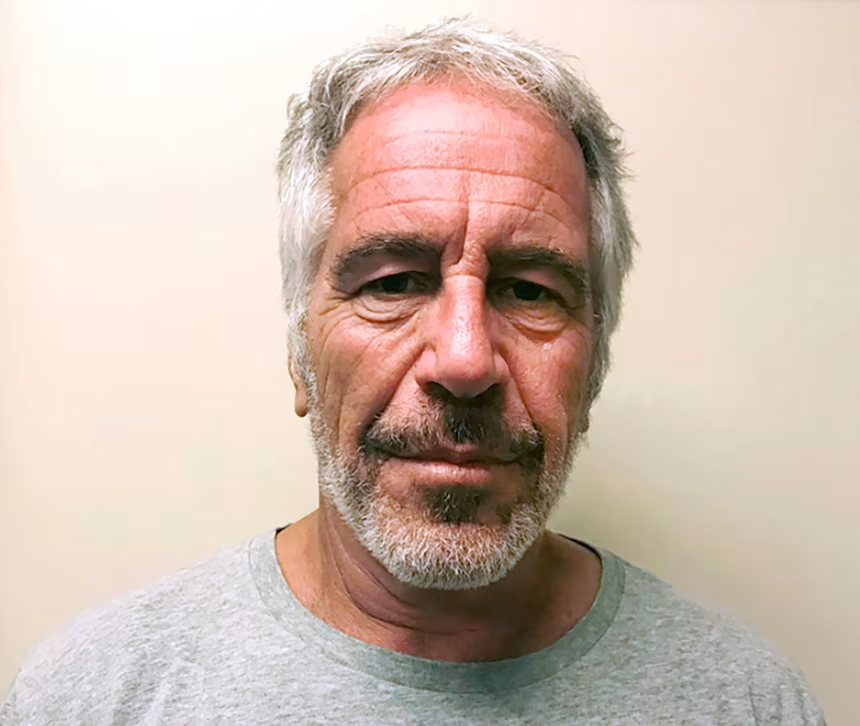
House Oversight Committee subpoenas Justice Department for Epstein files, high-profile former officials for depositions
Entities mentioned:
- House Oversight Committee: Justice, Duty, Influence
- Justice Department: Duty, Control, Self-preservation
- Jeffrey Epstein: Power, Control, Greed
- Republican Party: Influence, Righteousness, Power
- Democratic Party: Self-preservation, Influence, Justice
- Mike Johnson: Control, Self-preservation, Loyalty
- James Comer: Justice, Influence, Duty
- Ghislaine Maxwell: Self-preservation, Control, Fear
- Donald Trump: Power, Influence, Self-preservation
Article Assessment:
Credibility Score: 75/100
Bias Rating: 55/100 (Center)
Sentiment Score: 35/100
Authoritarianism Risk: 25/100 (Generally Democratic)
Bias Analysis:
The article presents a relatively balanced view, including perspectives from both Republican and Democratic sides. While it focuses more on Republican-led actions, it also mentions Democratic initiatives, maintaining a fairly neutral stance.
Key metric: Government Transparency and Accountability
As a social scientist, I analyze that this article highlights a significant push for transparency and accountability in a high-profile case involving Jeffrey Epstein. The House Oversight Committee's issuance of subpoenas to various former high-ranking officials and the Justice Department indicates a strong desire to uncover potentially hidden information. This action could significantly impact government transparency, as it challenges the boundaries between congressional oversight and executive branch authority. The bipartisan nature of the subpoenas, targeting both Republican and Democratic figures, suggests a broader concern for justice beyond party lines. However, the resistance from some quarters, including House Speaker Mike Johnson, demonstrates the complex political dynamics at play. This situation could potentially lead to increased public trust in government institutions if handled transparently, or conversely, could further erode trust if perceived as politically motivated or obstructed. The involvement of former presidents and high-ranking officials also underscores the gravity of the investigation and its potential implications for public perception of political elites.