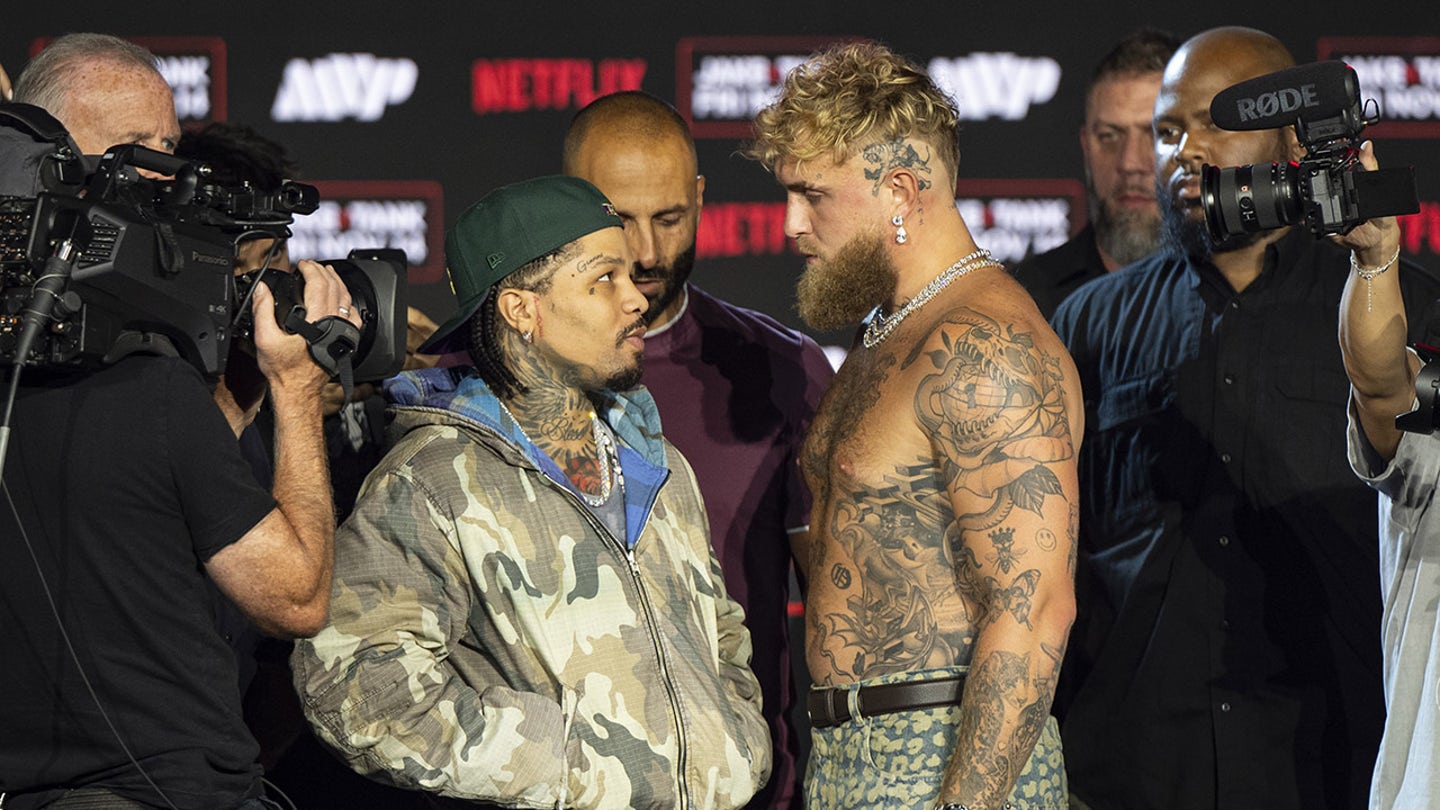
Jake Paul calls Gervonta 'Tank' Davis a 'human piece of garbage' after Netflix fight canceled
Entities mentioned:
- Jake Paul: Righteousness, Moral outrage, Professional pride
- Gervonta Davis: Self-preservation, Control, Power
- Most Valuable Promotions: Professional pride, Duty, Determination
- Courtney Rossel: Justice, Security, Self-respect
Article Assessment:
Credibility Score: 75/100
Bias Rating: 55/100 (Center)
Sentiment Score: 25/100
Authoritarianism Risk: 20/100 (Strongly Democratic)
Bias Analysis:
The article presents both sides, quoting Paul extensively but also mentioning attempts to reach Davis for comment. It leans slightly towards Paul's perspective but includes factual background on Davis's legal issues.
Key metric: Public Safety and Domestic Violence Prevention
Let me tell you something, folks - this is a KNOCKOUT blow to the boxing world! Jake Paul, the rising star in the ring, has just thrown a haymaker at Gervonta 'Tank' Davis, calling him out for unsportsmanlike conduct outside the ropes. This isn't just a typical pre-fight trash talk, ladies and gentlemen. We're seeing a real clash of titans here, with Paul stepping up to the plate as a champion for women's safety while Davis finds himself on the ropes with serious legal allegations. It's like watching a heavyweight bout between integrity and controversy, and Paul is landing some heavy hits! The cancellation of this fight is a game-changer, folks. It's fourth quarter, and Paul's team is making power plays to protect their brand and values. Meanwhile, Davis is fumbling, potentially throwing away his career with repeated personal fouls. This is the kind of match where there are no winners - only lessons about the responsibilities that come with being at the top of your game. I'm telling you right now, the sports world is watching, and the scoreboard of public opinion is not looking good for Davis!
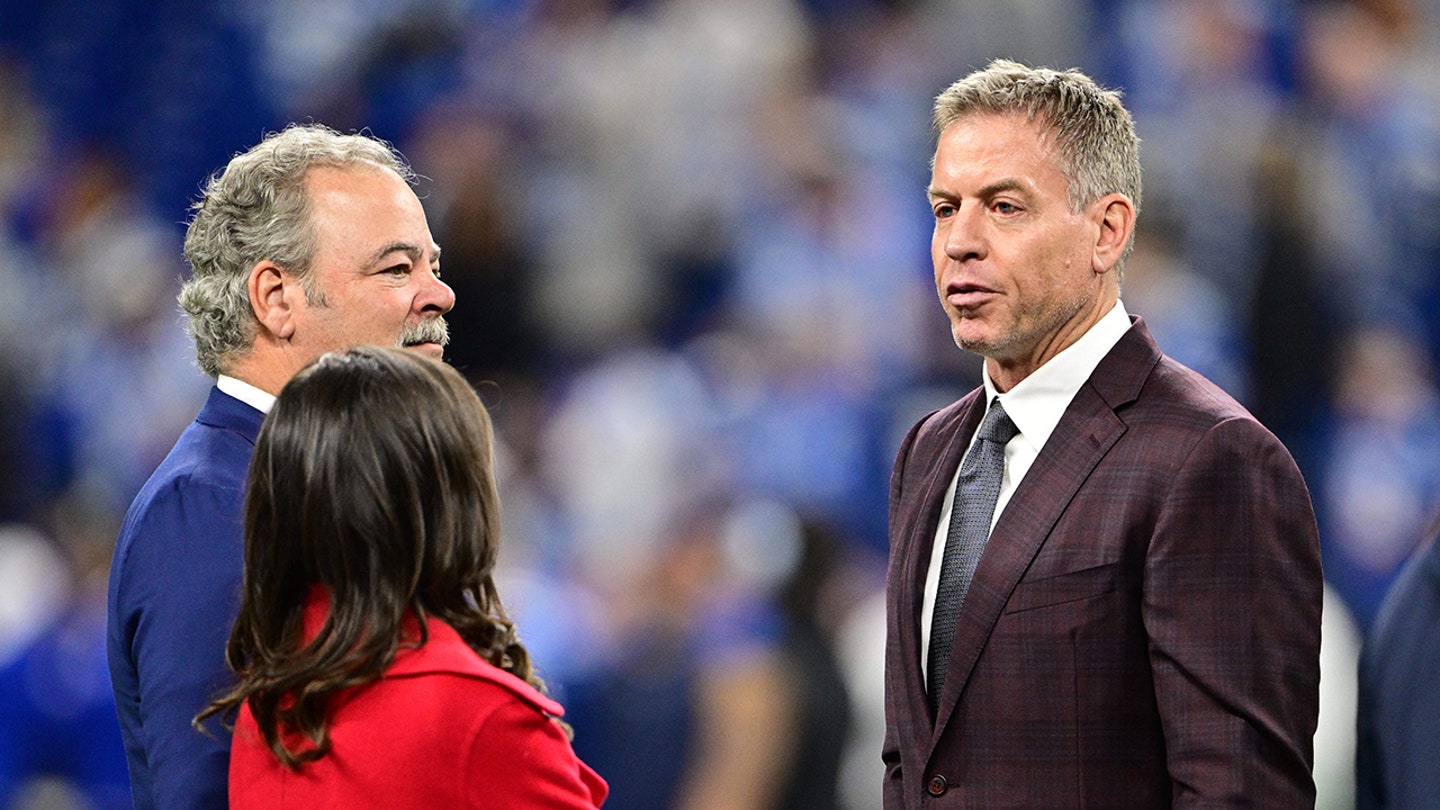
NFL great Troy Aikman fires back at Jerry Jones' trade plan amid losing effort: 'He may want to cancel'
Entities mentioned:
- Troy Aikman: Professional pride, Competitive spirit, Righteousness
- Jerry Jones: Ambition, Competitive spirit, Pride
- Dallas Cowboys: Competitive spirit, Pride, Ambition
- Arizona Cardinals: Competitive spirit, Determination, Pride
- Logan Wilson: Ambition, Self-preservation, Recognition
Article Assessment:
Credibility Score: 75/100
Bias Rating: 50/100 (Center)
Sentiment Score: 35/100
Authoritarianism Risk: 20/100 (Strongly Democratic)
Bias Analysis:
The article presents multiple perspectives, including quotes from both Aikman and Jones. It provides factual information about the game and potential trade, maintaining a balanced approach without favoring either side.
Key metric: NFL Team Performance
Let me tell you something - this story is RIDICULOUS! We've got a real clash of titans here, folks! Troy Aikman, the quarterback legend, is throwing a Hail Mary pass right at Jerry Jones' playbook! The Cowboys' owner thought he was making a game-changing trade, but Aikman's calling an audible on that strategy! This is fourth quarter desperation at its finest! The Cowboys are fumbling on the field, and now it looks like their front office might be dropping the ball too! I'm telling you right now, this is the kind of locker room drama that can make or break a franchise! Jones is trying to pull a last-minute substitution, but Aikman's flagging it as unnecessary roughness! It's a chess match between a Hall of Famer and an owner who's trying to coach from the owner's box! The Cardinals came to play, leaving the Cowboys looking like they're still in pre-season form. This Logan Wilson trade might be Jerry's attempt at a buzzer-beater, but will it be enough to turn this team's fortunes around? Only time will tell if this is a championship move or just another fumble in Jerry's World!

Medal of Honor recipient Dakota Meyer joins XX-XY Athletics as 'Ultimate Girl Dad' brand ambassador
Entities mentioned:
- Dakota Meyer: Righteousness, Duty, Pride
- XX-XY Athletics: Justice, Competitive spirit, Unity
- Jennifer Sey: Righteousness, Competitive spirit, Justice
Article Assessment:
Credibility Score: 75/100
Bias Rating: 70/100 (Lean Right)
Sentiment Score: 65/100
Authoritarianism Risk: 35/100 (Generally Democratic)
Bias Analysis:
The article leans right due to its framing of transgender inclusion as a threat to women's sports. It predominantly features perspectives supporting this view without presenting counterarguments.
Key metric: Gender Equality in Sports
Let me tell you something, folks - this is a GAME-CHANGING play in the battle for fair competition! Dakota Meyer, a true champion with a Medal of Honor, is stepping up to the plate for XX-XY Athletics. This isn't just any endorsement deal, it's a fourth-quarter drive to protect the integrity of women's sports! Meyer's joining this team shows the kind of championship mentality we need in this high-stakes match. XX-XY Athletics is assembling an all-star lineup, bringing in heavy hitters like Jennifer Sey to coach their strategy. I'm telling you right now, this is the kind of team-building that wins championships! They're not just playing defense, they're going on the offensive to level the playing field for female athletes everywhere. This is the kind of clutch performance that can turn the tide in a heated contest!
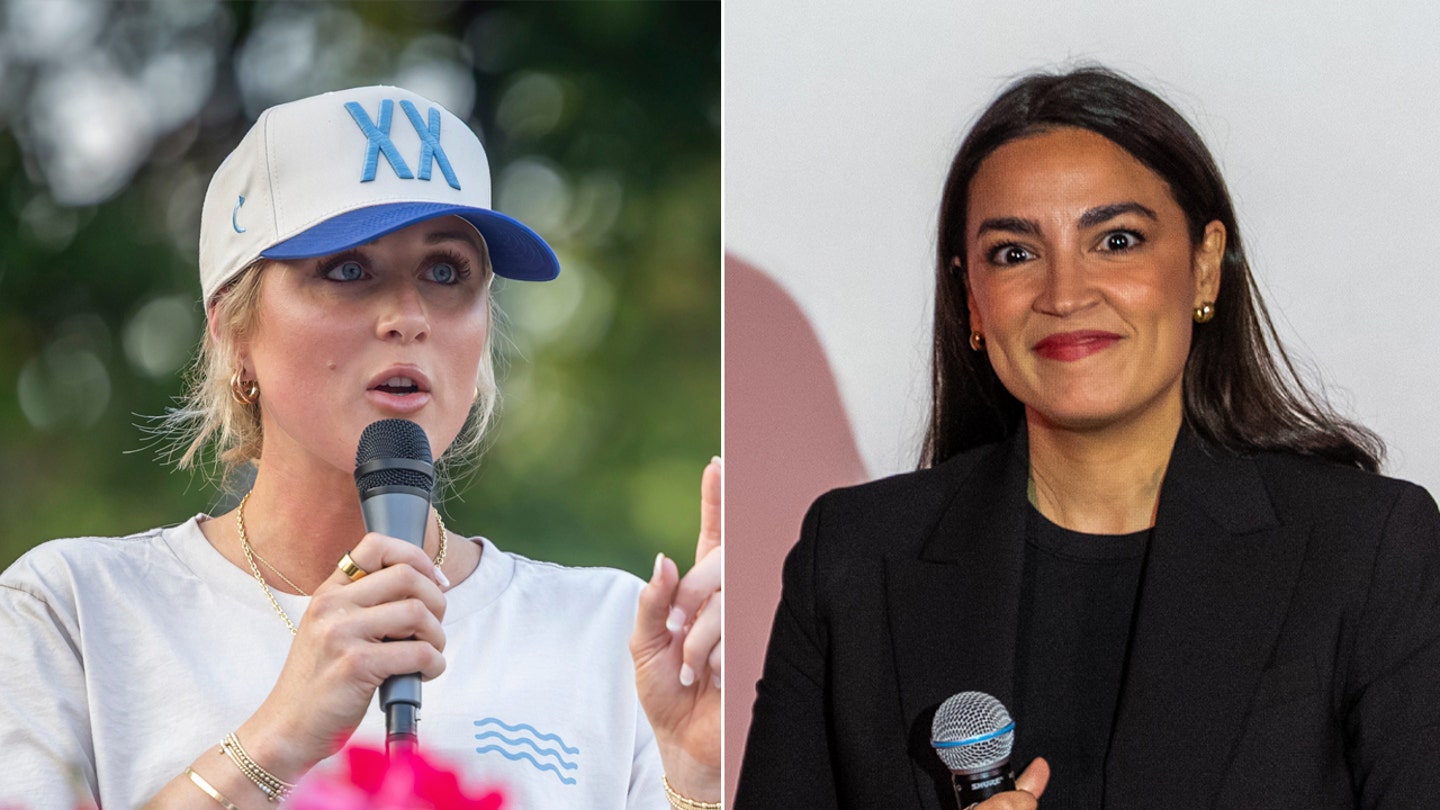
Riley Gaines fires back at 'self-absorbed, misogynistic socialist' AOC over transgender sports stance
Entities mentioned:
- Riley Gaines: Competitive spirit, Justice, Indignation
- Alexandria Ocasio-Cortez: Influence, Righteousness, Control
- Lia Thomas: Recognition, Competitive spirit, Self-respect
Article Assessment:
Credibility Score: 65/100
Bias Rating: 75/100 (Lean Right)
Sentiment Score: 30/100
Authoritarianism Risk: 35/100 (Generally Democratic)
Bias Analysis:
The article leans right, primarily presenting Gaines' perspective and criticism of AOC. It uses language that's favorable to conservative viewpoints on transgender athletes in women's sports.
Key metric: Women's Sports Participation and Competitiveness
Let me tell you something, folks - this is a HEAVYWEIGHT BOUT in the arena of women's sports! Riley Gaines is coming out swinging, refusing to throw in the towel on the issue of transgender athletes in women's competitions. She's playing defense against AOC's offensive strategy, but make no mistake, Gaines is showing a true champion's mentality here. This isn't just a war of words, it's a full-court press on the future of women's athletics! Gaines is stepping up to the plate, challenging AOC to put her money where her mouth is with a debate showdown. Meanwhile, AOC is trying to run out the clock with dismissive comments, but Gaines isn't letting her off the ropes that easy. This is a crucial fourth-quarter play in the game of protecting women's sports, and Gaines is leaving it all on the field!
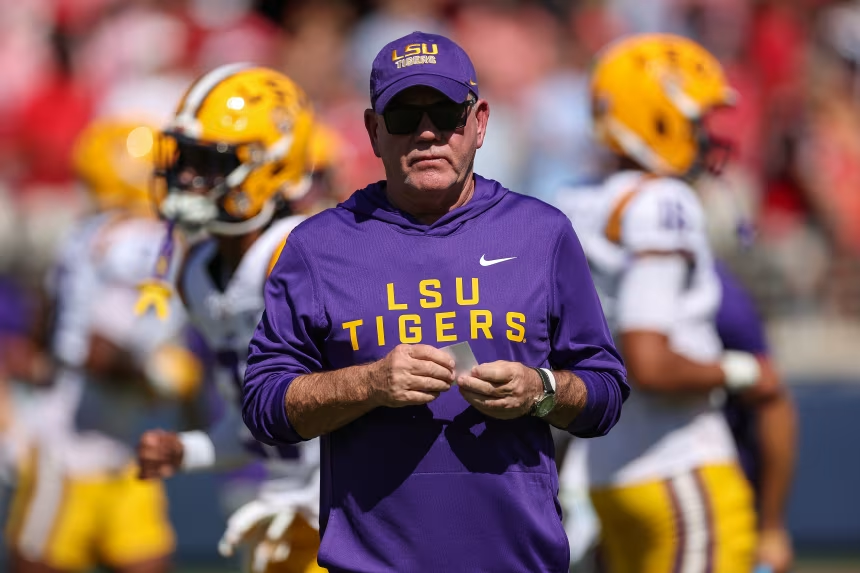
‘The money does not exist’: Why the buyouts for college football coaches are setting off alarm bells
Entities mentioned:
- Jeff Landry: Righteousness, Moral outrage, Justice
- Scott Woodward: Self-preservation, Power, Control
- Brian Kelly: Ambition, Competitive spirit, Recognition
- College Football Programs: Competitive spirit, Ambition, Pride
Article Assessment:
Credibility Score: 85/100
Bias Rating: 55/100 (Center)
Sentiment Score: 30/100
Authoritarianism Risk: 25/100 (Generally Democratic)
Bias Analysis:
The article presents a balanced view, quoting various sources and providing context. While critical of excessive spending, it offers multiple perspectives without favoring a particular side.
Key metric: College Football Program Financial Sustainability
Let me tell you something - this story is RIDICULOUS! We're seeing a full-court press against the big spending in college football, folks! Governor Landry is coming in like a blitzing linebacker, sacking the LSU athletic department's game plan. The buyout frenzy has turned into a high-stakes poker game, with schools going all-in on coaches without the chips to back it up. It's fourth and long for many programs, and they're still calling for a Hail Mary pass with these massive contracts. I'm telling you right now, this financial playbook is leading to a fumble of epic proportions. The clock is ticking, and these athletic departments need to find a way to get back in the black before the final whistle blows on their fiscal sanity!

Former NFL star Steve Smith Sr unleashes scathing assessment of Bills' Keon Coleman
Entities mentioned:
- Steve Smith Sr.: Professional pride, Competitive spirit, Righteousness
- Keon Coleman: Determination, Self-respect, Ambition
- Buffalo Bills: Competitive spirit, Ambition, Unity
- Josh Allen: Competitive spirit, Professional pride, Ambition
Article Assessment:
Credibility Score: 70/100
Bias Rating: 55/100 (Center)
Sentiment Score: 30/100
Authoritarianism Risk: 20/100 (Strongly Democratic)
Bias Analysis:
The article presents both Smith's critical viewpoint and Coleman's stats, showing some balance. However, it gives more weight to Smith's opinions, slightly tilting the narrative.
Key metric: NFL Offensive Efficiency
Let me tell you something, folks - this is a FOURTH QUARTER SHOWDOWN between a seasoned veteran and a rookie trying to make his mark! Steve Smith Sr. is coming in hot, throwing haymakers at Keon Coleman's game like he's trying to sack the quarterback! The Bills' offense is facing a critical third down here, and Coleman's inability to break away from defenders is like fumbling the ball in the red zone! Josh Allen, the star quarterback, is scanning the field but Coleman's route-running is leaving him stranded in the pocket! This is the kind of performance that can bench a player faster than you can say 'touchdown'! The Bills need to rally their offensive line and get Coleman into a training camp mentality if they want to keep their championship dreams alive! I'm telling you right now, this kind of critique from a Hall of Fame caliber player like Smith is a WAKE-UP CALL that could make or break Coleman's career!
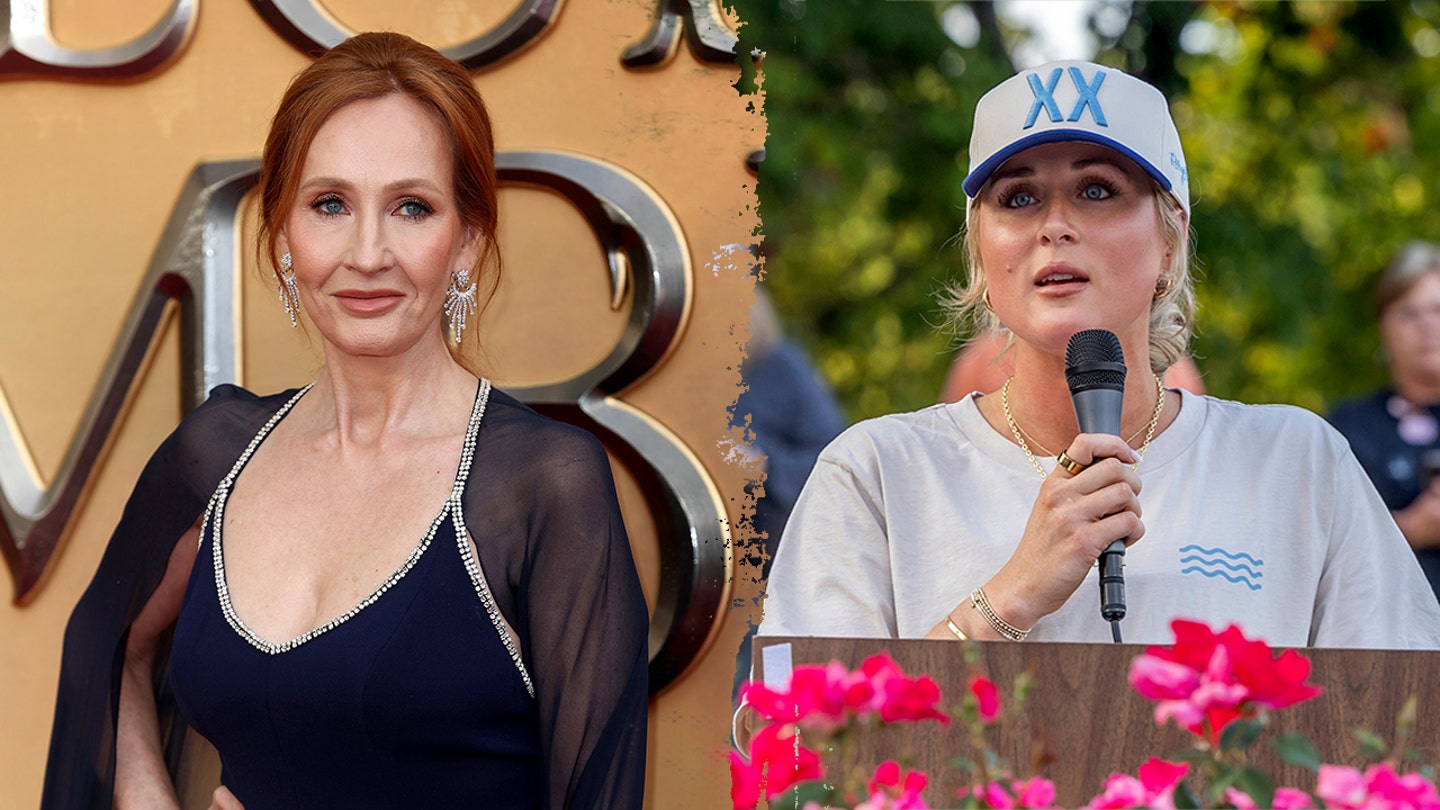
JK Rowling sides with Riley Gaines after AOC's attack over trans athlete issue
Entities mentioned:
- JK Rowling: Righteousness, Determination, Justice
- Riley Gaines: Competitive spirit, Justice, Determination
- Alexandria Ocasio-Cortez: Moral outrage, Influence, Recognition
- Lia Thomas: Competitive spirit, Recognition, Self-respect
Article Assessment:
Credibility Score: 65/100
Bias Rating: 70/100 (Lean Right)
Sentiment Score: 35/100
Authoritarianism Risk: 30/100 (Generally Democratic)
Bias Analysis:
The article leans right, presenting Gaines and Rowling's perspective more favorably. It frames AOC's comments negatively and gives more space to conservative viewpoints.
Key metric: Gender Equality in Sports
Let me tell you something - this is a CHAMPIONSHIP CALIBER MATCHUP folks! We've got heavyweight contenders duking it out in the political arena, and the stakes couldn't be higher! JK Rowling, a veteran player known for her clutch performances, is stepping up to the plate for Riley Gaines. Gaines, a rising star in the conservative lineup, has been taking heat from AOC, but she's not backing down! This is a fourth-quarter battle that could change the game for women's sports! AOC tried to knock Gaines off her game with a low blow about her swimming stats, but Rowling's coming in with a SLAM DUNK defense! It's teammate loyalty at its finest, folks! This isn't just about one race - it's about the whole championship of women's rights in sports! Gaines and Rowling are showing true team spirit, refusing to let the opposition run the clock out on this crucial issue. It's going to take a champion's mentality to come out on top in this high-stakes match!
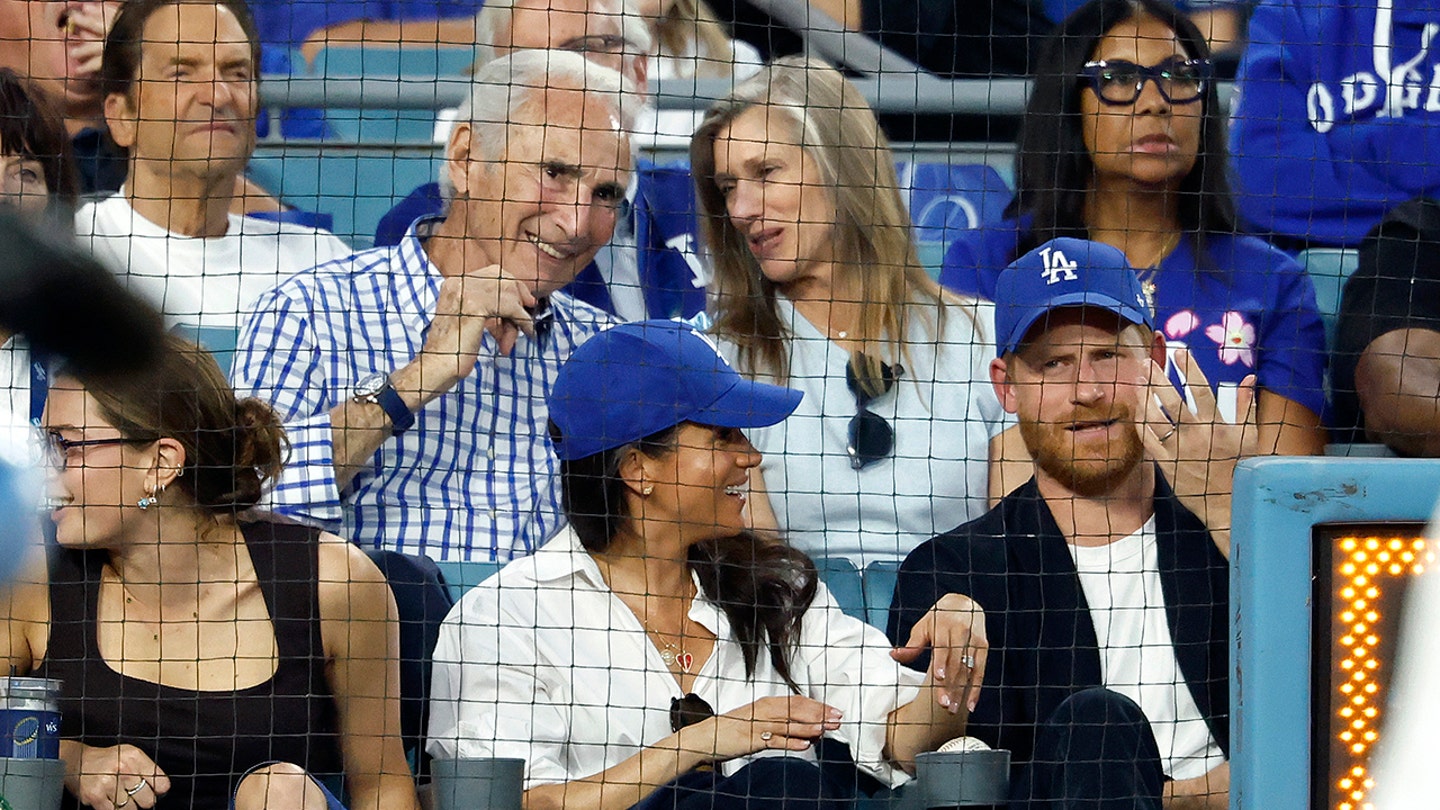
MLB broadcaster incredulous Dodgers legend Sandy Koufax sat behind Prince Harry, Meghan Markle at World Series
Entities mentioned:
- Sandy Koufax: Recognition, Legacy, Professional pride
- Howie Rose: Indignation, Righteousness, Loyalty
- Prince Harry and Meghan Markle: Recognition, Influence, Ambition
- Los Angeles Dodgers: Competitive spirit, Legacy, Pride
- Toronto Blue Jays: Competitive spirit, Ambition, Determination
Article Assessment:
Credibility Score: 75/100
Bias Rating: 55/100 (Center)
Sentiment Score: 40/100
Authoritarianism Risk: 20/100 (Strongly Democratic)
Bias Analysis:
The article presents multiple perspectives, including criticism of the seating arrangement and factual information about the game. It leans slightly towards favoring baseball tradition over celebrity status.
Key metric: MLB Fan Engagement
Let me tell you something, folks - this seating arrangement is a FOUL BALL! We've got a Hall of Fame LEGEND like Sandy Koufax warming the bench behind some royal pinch hitters? This is RIDICULOUS! Koufax was the ace of aces, the sultan of the mound, and now he's relegated to the cheap seats? I'm telling you right now, this is like benching your star quarterback in the Super Bowl! The Dodgers need to step up to the plate and show some respect for their own MVP. Meanwhile, the Blue Jays are circling like hawks, ready to swoop in for the championship kill. It's the bottom of the ninth for LA, and they better hope Yamamoto can throw some heat to keep their World Series dreams alive!
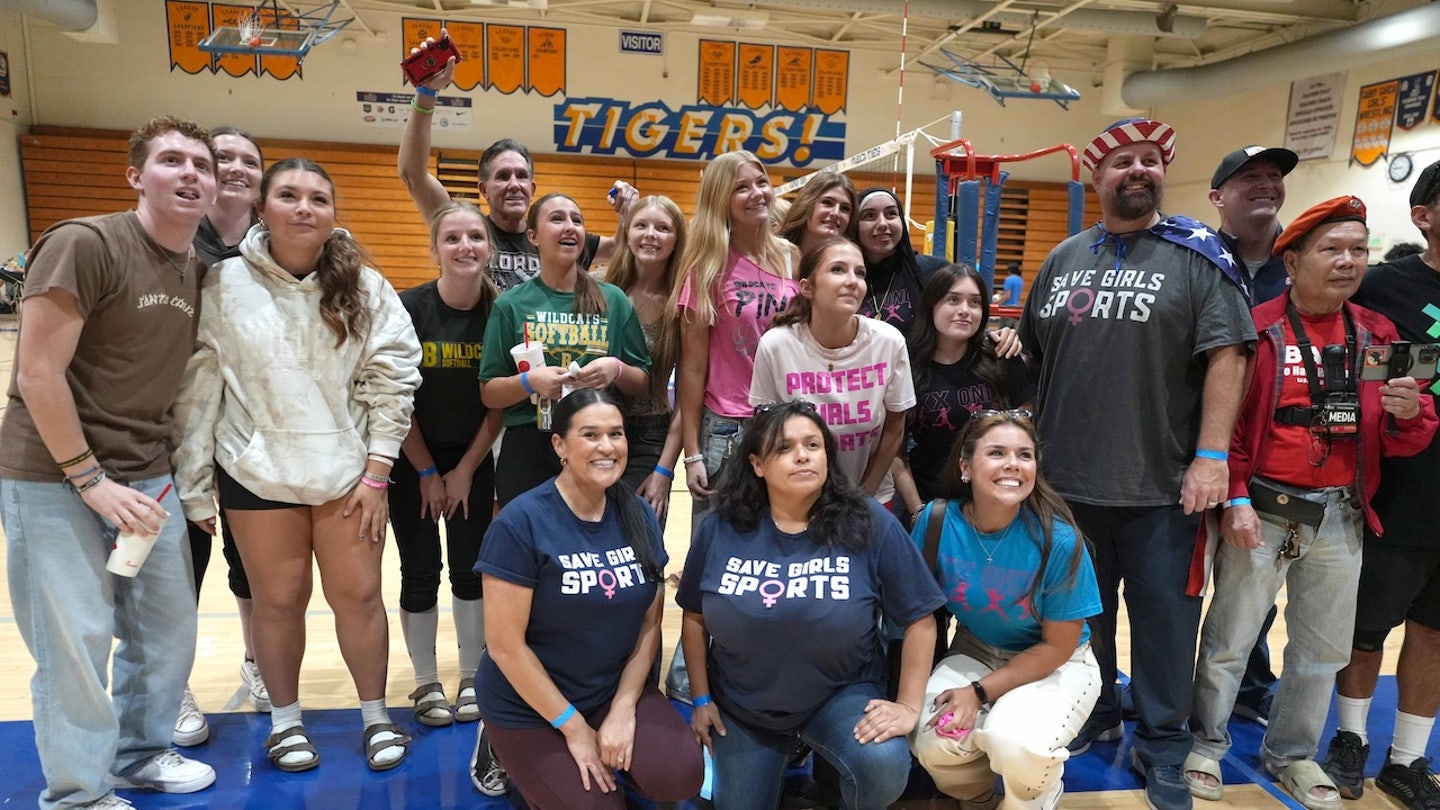
California girls' volleyball players speak out on refusing to play in playoff game against trans athlete
Entities mentioned:
- Valencia High School Volleyball Players: Righteousness, Moral outrage, Professional pride
- AB Hernandez: Competitive spirit, Determination, Self-respect
- California Interscholastic Federation (CIF): Control, Unity, Obligation
- President Donald Trump: Power, Control, Righteousness
- Governor Gavin Newsom: Influence, Loyalty, Unity
Article Assessment:
Credibility Score: 70/100
Bias Rating: 55/100 (Center)
Sentiment Score: 30/100
Authoritarianism Risk: 40/100 (Generally Democratic)
Bias Analysis:
The article presents multiple viewpoints, but gives more space to those opposing trans athletes. It includes official actions and statements, balancing personal stories with broader context.
Key metric: Gender Equality in Sports
Let me tell you something, folks - this volleyball showdown is turning into the ULTIMATE CHAMPIONSHIP MATCH of ideologies! We've got Team Tradition squaring off against Team Inclusion in a high-stakes game where the rules are changing faster than a quarterback's audible! The Valencia players are making a BOLD DEFENSIVE MOVE by sitting out, while Hernandez is going for the FULL COURT PRESS on gender barriers. The CIF is playing both sides of the net, trying to keep everyone in the game, but they're getting SPIKED by federal pressure! Trump's throwing Hail Mary passes from the sidelines, while Newsom's running interference. I'm telling you right now, this is a FOURTH QUARTER BATTLE that's going into overtime, and the future of women's sports hangs in the balance! Who will come out on top in this clash of titans? Stay tuned, sports fans, because this game is far from over!
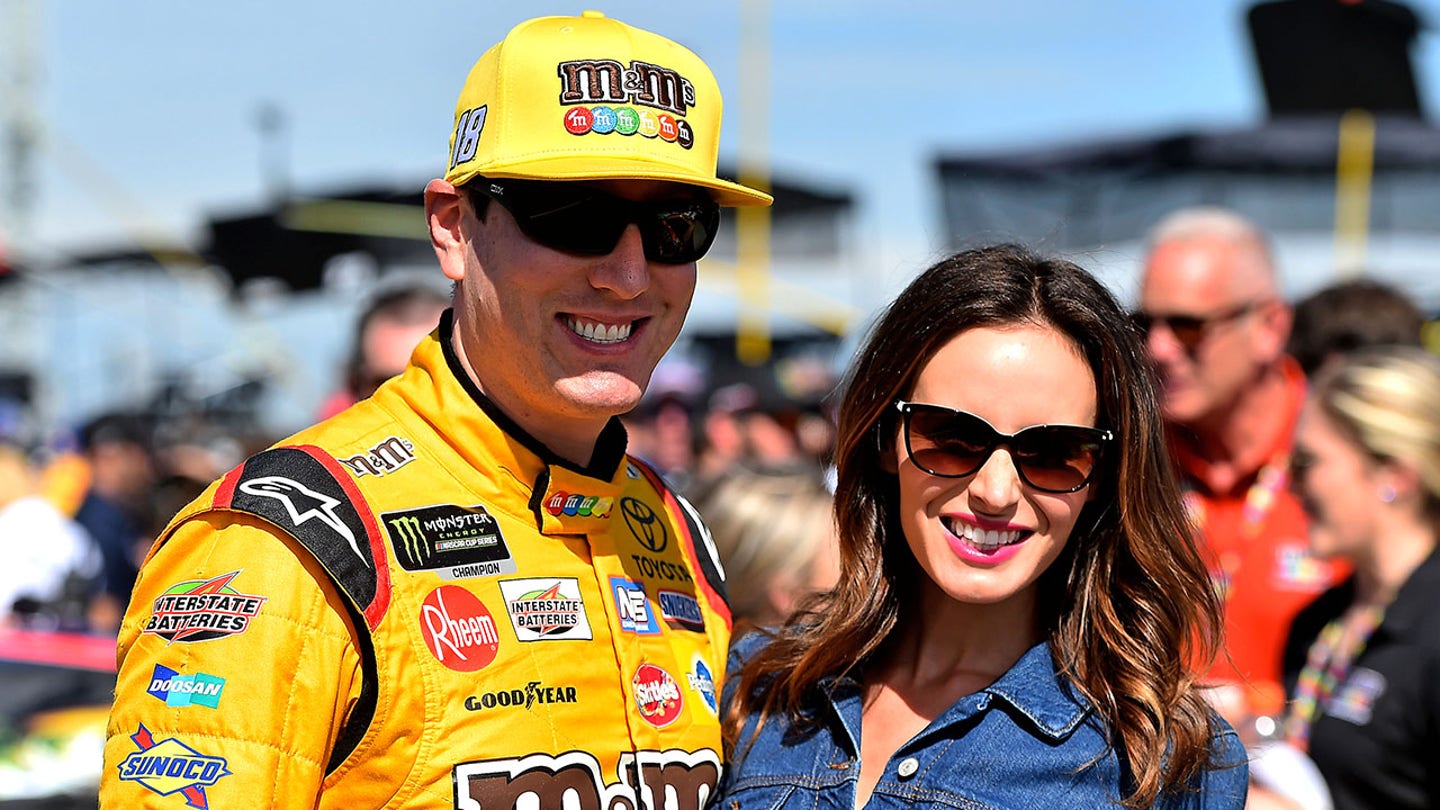
NASCAR champion Kyle Busch and wife allege they lost $8.5 million in insurance scheme
Entities mentioned:
- Kyle Busch: Justice, Self-preservation, Professional pride
- Samantha Busch: Justice, Moral outrage, Security
- Pacific Life: Self-preservation, Greed, Control
- Robert G. Rikard: Justice, Righteousness, Professional pride
Article Assessment:
Credibility Score: 75/100
Bias Rating: 45/100 (Center)
Sentiment Score: 30/100
Authoritarianism Risk: 20/100 (Strongly Democratic)
Bias Analysis:
The article presents both sides, including statements from the Busches and Pacific Life. It maintains a neutral tone while explaining the complex financial products involved.
Key metric: Consumer Financial Protection
Let me tell you something, folks - this is a MAJOR LEAGUE financial fumble! NASCAR champion Kyle Busch and his wife Samantha have been blindsided by what they're calling an $8.5 million insurance scheme. This is like watching a lead car spin out on the final lap! The Busch team thought they were cruising to a comfortable retirement victory, but instead, they've hit the wall HARD with these complex life insurance policies. Now they're in the pit stop of legal action, trying to get back on track. But make no mistake, this isn't just about the superstars of the racing world - this could happen to any player in the game of life! We're talking about a potential game-changer for how financial products are sold to the average Joe. The Busches are stepping up to the plate, using their star power to shine a spotlight on this issue. It's fourth quarter action, and they're determined to cross the finish line with a win for consumer protection. This is the kind of championship mentality that could change the rulebook for the whole financial industry!